Neutral Blonde Hair: The Complete Guide to Shades, Styling & Upkeep

0

Introduction

This complete guide to neutral blonde hair covers everything from what it actually is to how to keep it looking fresh long after you leave the salon. Neutral blonde sits right in the middle of warm and cool tones – no gold pulling too yellow, no ash going too silver, which is exactly why it works on almost anyone.

I started asking for neutral blonde a few years ago after getting tired of chasing brassiness with warm tones and fighting harsh regrowth lines with cool ones. It’s the one shade that actually feels low-maintenance without looking flat or boring. If you’re trying to figure out whether it’s right for you, what to actually say to your stylist, or how to keep it looking this good at home, this guide walks through all of it.

What Is Neutral Blonde Hair?

Neutral blonde hair colour sits directly between warm and cool tones; it doesn’t lean gold, honey, or orange, and it doesn’t lean ash, silver, or icy either. Instead, it balances both, which is what gives it that soft, effortless look that doesn’t fight your skin tone.

This balance is also what makes neutral blonde so versatile. Because there’s no strong undertone pulling in one direction, it tends to suit a wider range of skin tones than a heavily warm or heavily cool blonde would. And it’s not limited to one brightness level; you can go neutral at a dark, bronde-adjacent shade or take it all the way up to a soft platinum, and the same “in-between” balance still applies.

That’s really the core of what makes this shade different: it’s not about how light or dark you go; it’s about keeping the undertone neutral no matter where you land on the colour scale.

Neutral vs. Warm vs. Cool Blonde
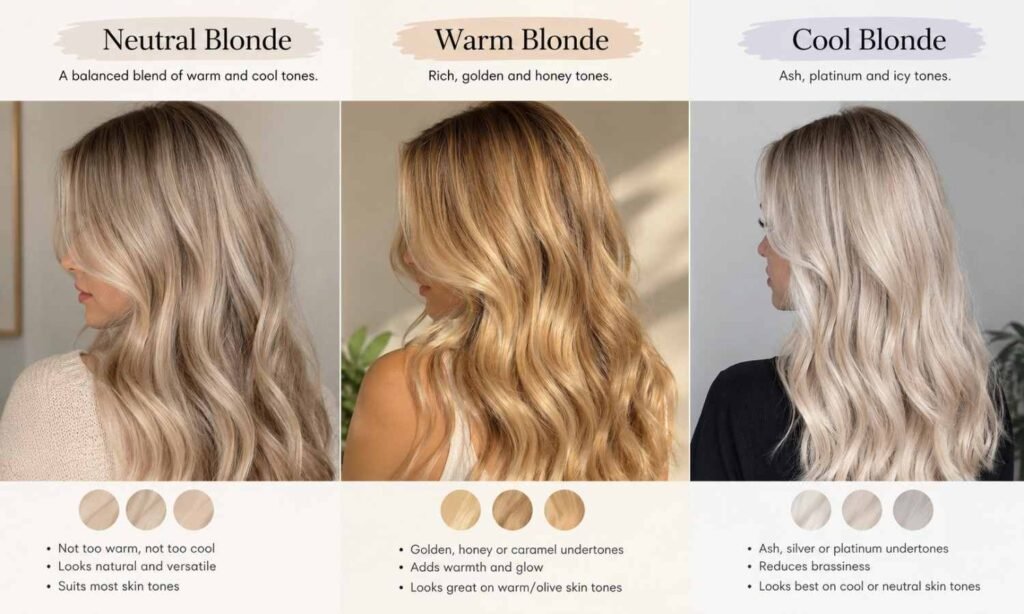
Once you understand what neutral blonde is, it helps to see how it actually compares to the other two directions blonde can go because the differences aren’t just about looks; they affect how much upkeep you’re signing up for.

Warm blonde leans toward strawberry, honey, or golden tones. It can look gorgeous fresh out of the salon, but without consistent toning in between visits, it tends to drift toward orange or brassy, especially as it grows out. If you go warm, plan on staying on top of your at-home toning routine.

Cool blonde, or ash blonde, sits on the opposite end. It has that smoky, silvery edge, and while it looks striking, it’s actually the highest-maintenance of the three. Since warm tones are naturally occurring in most hair, keeping hair fully ash means constantly cancelling out that warmth, which takes more frequent salon visits and more careful at-home care to maintain.

Neutral blonde is the middle ground, which is exactly why it needs less upkeep than either extreme. That said, you don’t have to pick strictly one lane. If you like a hint of that ash effect without committing to full cool-toned maintenance, you can ask your stylist to add subtle ashy dimension into an otherwise neutral base. You get a touch of that smoky depth without the harsher maintenance schedule that comes with going fully cool.

Is Neutral Blonde Good for Covering Grey Hair?

Yes, neutral blonde works well for covering grey, and it actually has an advantage over more dramatic colour choices: it blends rather than fights.

Instead of covering greys completely and creating an obvious, flat line of regrowth, you can ask your stylist to blend grey strands in with neutral blonde highlights. This adds dimension around the greys rather than hiding them outright, so regrowth looks intentional instead of glaringly obvious between appointments.

If you’d rather have full coverage, that’s an option too it just depends on how you want to approach it. A demi-permanent colour will cover a good portion of grey but fades gradually over time, which some people prefer since it blends back out naturally. A permanent formula goes further, covering grey more completely and holding that coverage until your regrowth comes in. Your stylist can help you decide which route makes more sense based on how much grey you have and how much maintenance you’re up for.

What to Ask Your Stylist For

Getting neutral blonde right starts less with the colour itself and more with how clearly you communicate what you want and a few key things can make that conversation a lot more productive.

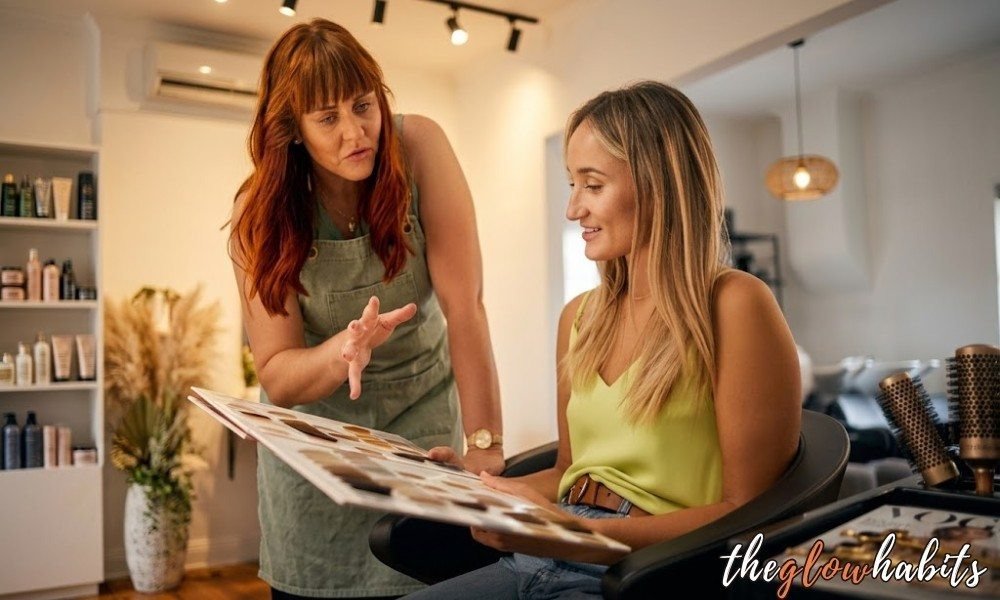
Bring reference photos. Colour is such a visual thing that words alone often get lost in translation. A photo gives your stylist something concrete to work from, and it also opens up a conversation about what’s realistically achievable sometimes in one visit, sometimes over a few, depending on where your hair is starting from.

Talk through your natural tone and how much lift is realistic. Your stylist needs to know your starting point to figure out how much your hair can safely lighten without causing damage. Dermatologists recommend spacing out colour treatments by at least 8 to 10 weeks to limit cumulative damage; this isn’t something to rush. 

Decide on touch-up frequency together. How often you’re willing to come back in shapes which technique makes the most sense for you. This is also the point to bring up balayage versus traditional highlights; they grow out differently, and your stylist can help you pick whichever fits your maintenance schedule better.

Be honest about your budget and how much upkeep you’ll actually do. Neutral tones already give you more flexibility here than a harsher cool-toned blonde would, but your stylist still needs the full picture, including what you’re comfortable spending and how consistent you’ll be with maintenance, to recommend the right approach from the start.

If you’re not sure how to put all of this into words, use this as a starting point: “Low-maintenance, neutral-blonde hair colour with natural dimension and sun-kissed highlights.” It’s a simple phrase, but it tells your stylist exactly what you’re after: a soft, wearable blonde with movement, not a flat, one-note colour.

Neutral Blonde Shade Inspiration

Neutral blonde isn’t one single shade; it’s more of a balance point that can show up in a lot of different looks. Here are a few variations worth bringing to your stylist as a starting point.

Neutral Blonde Highlights

This is the classic version: highlights placed to add brightness and dimension without pulling too warm or too cool. It reads as bright and healthy without looking overly done, which is exactly why it’s such a popular, wearable choice.

Neutral Blonde with Warm Tones

If you want the low-maintenance benefits of neutral but still love a bit of glow, you can ask your stylist to work in subtle golden undertones. It keeps the base balanced while adding just enough warmth to feel radiant rather than flat.

Neutral Platinum Blonde

Platinum is one of the harder shades to get right: go too warm and it loses that crisp, bright quality; go too cool and it can look overly icy or frosted. A neutral approach threads that needle, giving you a platinum that still feels balanced instead of harsh.

Neutral Blonde Balayage

Balayage is naturally suited to a neutral finish since the hand-painted technique already creates a soft, blended look. Paired with a neutral tone, you get that sun-kissed, lived-in effect without any strong warm or cool cast pulling through.

Neutral Blonde Ombré

For anyone easing into blonde from a darker base, a neutral ombre is a gentler way in. Keeping your natural root in place and graduating into a neutral blonde toward the ends keeps maintenance low while still giving you a noticeable, brightening change.

Neutral Brown-Blonde (Bronde)

Bronde sits right between brown and blonde, and going neutral with it makes the shade even more versatile; it’s soft enough to wear year-round without feeling like it’s locked into one season or vibe.

Dark Neutral Blonde

This version keeps things rich and dimensional rather than icy or overly bright. It’s a good option if you want the neutral balance without going particularly light or dark roots or lowlights combined with neutral mid-tones create depth without any harsh warm or cool pull.

Best Products for Neutral Blonde Hair

Even with a balanced tone, blonde hair is still colour-treated hair, which means the products you use matter just as much as the color itself when it comes to keeping it healthy and looking fresh.

Shampoo

I look for a gentle, sulphate-free shampoo as the foundation of any colour-treated routine, one that cleanses without stripping natural oils or fading tone with every wash. If your hair leans warm between salon visits, it’s also worth having a toning shampoo in rotation, ideally one with a thinner, easy-to-rinse formula so it doesn’t stain your hands or leave residue in the shower. And once every week or two, a detox or clarifying shampoo helps remove product buildup; just make sure it’s a gentle one, since harsh clarifying formulas can be just as drying as skipping conditioner altogether.

Conditioner

A good hydrating conditioner should feel lightweight rather than heavy, adding shine and strength without weighing hair down. For neutral blonde specifically, a toning conditioner is worth having on hand as a gentler alternative to a toning shampoo; it neutralises warmth gradually without the risk of over-toning or leaving a tint behind, which makes it easier to control than a stronger toning shampoo.

Treatments, Oils & Masks

This is where the real maintenance happens. A weekly hair mask helps replace moisture that colour treatments strip away, and a good one shouldn’t leave hair feeling weighed down or greasy. I rounded up my favourite lightweight masks for damaged, colour-treated hair here if you need a starting point. A heat protectant is non-negotiable for colour-treated hair; look for one that doubles as a leave-in or detangler, so you’re getting more use out of a single product. For extra shine between salon visits, a gloss treatment is worth the investment; it won’t tone hair the way a purple shampoo does, but it makes colour look noticeably richer and healthier. And a lightweight hair oil, applied to damp hair before it dries, adds hydration and tames frizz without leaving hair feeling greasy; just avoid using too much, since oil can flatten fine hair if you’re not careful with the amount.

How to Maintain Neutral Blonde at Home

Great colour from the salon only stays great if your at-home routine supports it and the good news is neutral blonde doesn’t require a complicated system to stay looking fresh.

Tone as needed, not on a rigid schedule. If you notice warmth creeping in, that’s your cue to reach for a purple shampoo or mask rather than waiting for a set day of the week. Here’s my full breakdown of blue vs purple shampoo if you’re not sure which one your tone actually needs.  Leave it on for a shorter time than you would for a fully cool-toned blonde; you’re just softening warmth, not eliminating it, so a lighter touch keeps you from accidentally overcorrecting into ashy territory. If shampoo formulas tend to over-tone or stain for you, a toning conditioner works just as well and is easier to control.

Protect your hair before you reach for hot tools. Heat is one of the fastest ways neutral blonde starts leaning warm, so a heat protectant should go on before every blowout or styling session. Dermatologists also recommend protecting coloured hair from sun exposure with a leave-in conditioner or a wide-brimmed hat, since UV exposure fades tone just as much as heat does. 

Reach for shine, not just tone correction. Toning keeps colour balanced, but it doesn’t necessarily make hair look glossy. That’s where a lightweight hair oil or gloss treatment comes in; either one adds visible shine and makes colour look richer, without the risk of shifting your tone. I tested one of my go-to in-shower gloss treatments here if you want a specific pick to try. The way an extra round of toner might. This is especially useful in between salon visits when your colour still looks fine but could use a little extra life.

Together, these three habits – toning when needed, protecting before heat, and finishing with shine – are usually enough to keep neutral blonde looking as balanced at home as it did the day you left the salon.

FAQ

How is neutral blonde different from ash or warm blonde?

Neutral blonde has no strong undertone; it doesn’t pull gold like warm blonde or silver like ash. That balance is what makes it lower-maintenance than either extreme.

Can neutral blonde cover grey hair?

Yes. It blends greys in with highlights for a soft, dimensional look, or you can go with demi-permanent or permanent colour for fuller coverage, depending on how much upkeep you want.

Do I need purple shampoo for neutral blonde?

Only as needed, not on a strict schedule. Use it when you notice warmth creeping in, and leave it on for less time than you would for a fully cool-toned blonde.

What should I ask my stylist for if I want neutral blonde hair?

Bring reference photos, discuss your natural tone and touch-up frequency, and try this phrase as a starting point: “Low-maintenance, neutral-blonde hair colour with natural dimension and sun-kissed highlights.”

Is neutral blonde high-maintenance?

No, it’s actually one of the easier blondes to maintain since there’s no strong undertone constantly fighting to show through as your hair grows out.

Conclusion

Neutral blonde works because it doesn’t ask you to commit to one extreme; it’s not fighting brassiness every few weeks or chasing an icy tone that fades fast. A little clarity with your stylist, a light touch with toning at home, and a few good habits in between visits are usually all it takes to keep it looking balanced.

If you’ve been going back and forth between warm and cool without finding the right fit, this complete guide to neutral blonde hair should give you everything you need to finally land somewhere that actually works for you.
How to Make Highlights Last Longer Without Constant Salon Visits

1

No matter what shade you go for, highlights never stay this bright on their own. The moment you leave the salon, the clock starts ticking, brassiness creeps in, and the shine fades, and before you know it, you’re due for another appointment sooner than you’d like.

I used to think this was just the price of getting highlights done, until I actually figured out what was causing the fade and fixed it. Turns out, most of it comes down to a handful of small habits, not constant salon visits.

Here’s exactly what keeps highlights looking fresh, from what to ask your stylist for to the simple things you can do at home in between.

Highlights Maintenance: Quick Facts

CategoryDetails
Best ForBabylights, Balayage & Traditional Highlights – All Hair Colours
Why It FadesFrequent washing, hot water, heat styling, hard water
At-Home TonerBlue (brunette) · Purple (blonde)
Touch-Up FrequencyEvery 6–12 weeks
Quick Fix OptionFace-framing foils – no full redo needed
Daily ProtectionHeat protectant + SPF

Why Highlights Fade So Fast

Highlights don’t just fade randomly; there’s a real reason your colour loses its glow so quickly, and it comes down to three things.

First, how often you wash your hair matters more than you’d think.
Every wash releases a bit of the toner sitting on your strands, so the more frequently you shampoo, the faster that toner disappears, which is exactly when warmth and brassiness start creeping back in.

Heat styling doesn’t help either. Flat irons, curling wands, and blow dryers used often can pull toner right out of your hair, dulling your highlights faster than you’d expect. If you’re someone who styles daily, this is probably working against you more than you realise.

Then there’s the lightening process itself. Getting highlights means stripping some of your hair’s natural pigment, and that process can also weaken the hair, leaving it drier, more fragile, and prone to breakage if it’s not cared for properly afterward.

That’s why healthy, vibrant highlights aren’t just about tone; they’re about keeping the hair strong enough to hold that tone in the first place. Once you understand what’s actually causing the fade, it’s a lot easier to build a routine that actually works against it.

What to Ask Your Stylist For

The biggest difference between highlights that fade fast and highlights that hold up for months usually comes down to what you ask for at the appointment, not just the colour itself.

Start with “lived-in colour”. This phrase alone changes how your stylist approaches the whole service. Instead of placing highlights in a rigid pattern, they’ll blend everything so your regrowth looks intentional instead of obvious.

It’s worth bringing reference photos but also telling your stylist upfront how often you actually want to come back in, as that shapes the placement and technique they choose for you.

Ask about babylights instead of traditional highlights. Babylights are much finer than the chunkier streaks you’d get with classic highlights, which means two things: they look more natural, and they grow out far more gracefully. Since the sections are so thin, there’s no harsh line where new growth starts, just a soft, gradual fade.

Bring up a root smudge or a root melt. These aren’t the same technique, but they solve the same problem: that stripe of demarcation where your natural colour meets your highlights. A root smudge blends a soft shadow at the base, while a root melt gradually transitions the colour down the length of your hair. 

Either way, your stylist will pick whichever suits your hair better, and the result is highlights that look seamless from day one, with noticeably less obvious regrowth as weeks go by.

Asking for these three things specifically can add real time between salon visits, simply because the color is designed to grow out well instead of looking off the moment new hair comes in.

Low-Maintenance Salon Techniques

Beyond what you ask for, there’s a bigger-picture approach that keeps highlights low-maintenance over time and it starts with consistency.

Stick to the same foil pattern every time you go in. It’s tempting to add more highlights or change up the placement at every appointment, but constantly lifting new sections of hair means you’re repeatedly exposing fresh strands to bleach.

That adds up in damage over time. Sticking with the same foil pattern means your stylist is only touching up what’s already there, healthier hair, and a routine that’s easier to maintain long-term.

Shadow rooting works hand-in-hand with this. It’s a blending technique where your natural colour is softly deepened right at the root, so there’s no obvious line between your base colour and your highlights. Combined with the root smudge or melt from your stylist conversation, 

this is what actually makes highlights look low-maintenance instead of high-upkeep; the grow-out looks intentional rather than like something that needs fixing. Together, these two things shift highlights from a service you have to keep redoing to one you can simply refresh.

A Quick Highlight Refresh, Step by Step

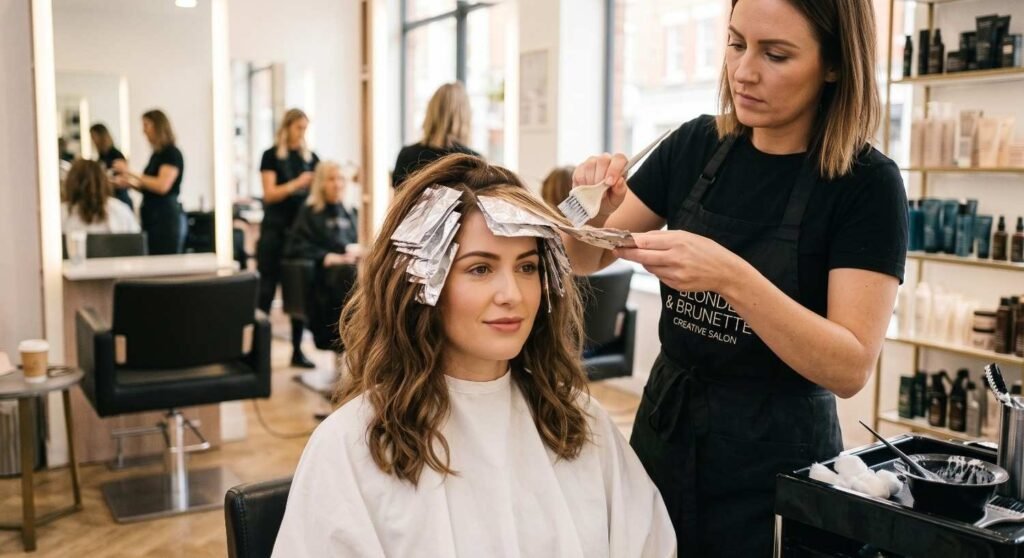
Not every touch-up needs to be a full head of foils. If your highlights just need brightening around the face rather than an entire redo, there’s a faster technique worth knowing about and it’s exactly what professional colourists use for a quick refresh.

It starts with a face-framing foil placement of just 15 to 20 foils, not a full head. This targets the pieces that frame your face, which are usually the first to lose their brightness since they’re the most visible and get the most sun exposure. It’s a fraction of the time and cost of a full highlight service, but it makes a noticeably bold difference.

The application uses a babylight technique, a very fine weave, placed back-to-back with little to no hair left between sections. This is what gives the finished look its softness. Placing foils close together like this creates a diffused, blended result rather than distinct stripes, so the colour looks natural even as it grows out.

On darker hair, expect the processing time to run around 40 minutes. Darker hair needs more time for the lightener to lift properly, so this isn’t a service you can rush, but compared to a full head of highlights, it’s still a much shorter salon visit.

Once the foils are removed, toning happens right at the shampoo bowl. Rather than a single flat tone, colourists often use a gradient approach, melting one tone from the roots into the mid-lengths, then shifting to a slightly different tone through the ends. 

This creates more dimension than a single all-over toner would, and because professional toners are formulated to process quickly, the whole step only takes a few minutes before your colour is rinsed and finished.

The result is a refreshed, brightened look without committing to a full colour service, ideal if you just need your highlights to look “new” again without redoing all the work you already have.

At-Home Wash Routine That Protects Toner

Everything you ask for at the salon can only last so long if your wash routine works against it. The good news is that protecting your toner at home comes down to a few simple habits, not a complicated routine.

Wash in cool or lukewarm water, never hot. Hot water opens the hair cuticle and speeds up how quickly toner rinses out, which is exactly what you’re trying to avoid. Lukewarm water gets your hair just as clean without stripping colour as fast. You don’t need it ice-cold, just not scalding.

Pay attention to how often you’re washing, not just how. Every wash releases a little more toner, so the more frequently you shampoo, the quicker your highlights will start showing warmth again. Stretching out the days between washes even by a little makes a real difference in how long your colour stays true.

Switch to a colour-specific shampoo and conditioner. Regular formulas aren’t built to protect toner, and many contain sulphates that strip colour faster with every wash. Colour-safe versions are gentler on treated hair and help hold onto the tone you just paid for.

Add a colour-depositing mask into your routine once a week. This does double duty: it deposits a bit of pigment to refresh your tone between salon visits while also giving your hair the hydration it needs after the lightening process. It’s one of the easiest ways to stretch time between toning appointments without much extra effort.

None of this requires a complicated routine, just swapping a few habits that, over time, make a noticeable difference in how long your highlights stay bright.

Toning Highlights at Home

Salon toner doesn’t last forever, but you don’t need a professional to keep brassiness in check between visits. The right at-home products can extend that fresh-from-the-salon look for weeks.

Blue Toner for Brown/Brunette Highlights

If your highlights sit on brown or brunette hair, blue is the tone you want, not purple. Brunette highlights tend to pull orange as they fade, and blue is what cancels that out. A toning conditioner with a hint of blue works well here because it’s hydrating while it tones, so you’re not sacrificing moisture to fight brassiness. A blue shampoo can work too, though conditioner-based formulas tend to be gentler and often last a little longer between uses.

Purple Shampoo for Blonde Highlights

Blonde highlights fade differently; they pull yellow, not orange, which is why purple shampoo is the go-to here instead of blue. Using it every two to three weeks is usually enough to keep blonde highlights looking bright and cool-toned rather than brassy. Any more frequently than that, and you risk overcorrecting; any less, and yellow tones can start creeping back in before your next wash.

Toning Mousse Option

If shampoo or conditioner formulas feel like too much commitment, a toning mousse is worth trying. It’s a leave-in option, so you skip the rinse-out step entirely; just work it through damp hair and let it do its job. This tends to work well for anyone who wants to tone without adding another full product to an already long shower routine.

Hair Gloss for Extra Shine

It’s easy to assume brassy-looking highlights just need more toner, but that’s not always the fix. Toner cancels out unwanted warmth; it doesn’t necessarily make colour look brighter or shinier. That’s where a gloss comes in. 

Instead of correcting tone, a gloss adds shine and vibrancy on top of it, which is often what highlights actually need to look “fresh” again rather than just “not brassy”. Using both toner to correct and gloss to brighten tends to give the most noticeable result.

Repairing Damage From Lightening

Highlights don’t just fade in colour; the hair itself takes a hit in the process, and that’s just as important to address as tone.

Lightening strips away more than pigment. Whenever hair is bleached, it loses some of its natural protein and lipids, along with the colour it sheds. This is what causes highlighted hair to feel drier, frizzier, and more prone to breakage than hair that’s never been colour-treated, even if the tone itself still looks fine.

That’s why protein and lipid replenishment matters just as much as toning. Products designed to rebuild what bleaching removes help hair hold onto its strength and softness, rather than just looking bright on the surface while weakening underneath. 

Skipping this step is often why highlighted hair can look good for a while, then suddenly start snapping or feeling straw-like out of nowhere.

Think of this as a separate step from toning, not a replacement for it. Toner fixes colour; protein and lipid treatments fix the hair’s actual condition. Highlights that last and look genuinely healthy, not just bright. They need both working together, not one or the other.

Protecting Highlights From Heat & Sun

Heat and sun exposure are two of the fastest ways to dull highlights, even when your wash routine and toning are on point. Protecting against both makes a bigger difference than most people expect.

Heat Protectant

Skipping heat protectant is one of the easiest ways to quietly dull your highlights over time. The difference is more noticeable than you’d think; hair styled without protection tends to look flatter and less vibrant, even if the colour itself hasn’t technically faded. 

A clean-beauty formula is worth looking for here, since heavier products can leave a residue or film that weighs hair down instead of just shielding it. The goal is something that protects without you feeling like there’s product sitting in your hair.

No-Heat Styling Alternatives

Skipping hot tools altogether, even occasionally, gives highlights a break they don’t usually get. One simple option: braid damp hair before bed and let it set overnight instead of blow-drying or curling it the next morning. 

In the morning, smoothing a bit of oil through the braided waves helps tame any frizz and adds shine; no heat is required. It’s a small swap, but doing it even a couple of times a week reduces how much thermal stress your highlights are exposed to.

Sun Protection for Color-Treated Hair

Sun exposure fades colour just like it fades fabric, and highlighted hair is especially vulnerable since it’s already been lightened once. A hat is the simplest fix if you’re outside for long stretches, but for daily protection

A powder SPF made for hair applied at the roots is worth adding to the routine. It’s lightweight, doesn’t clump or leave residue, and protects colour without interfering with how your highlights look or feel.

Hard Water and Highlight Fade

You can do everything right – the toner, the protectant, and the colour-safe products – and still watch your highlights fade faster than expected. If that’s happening, the culprit might not be your routine at all. It might be your water.

Hard water works against your colour no matter how careful you are. It’s easy to overlook, but the minerals in hard water build up on hair over time and can fade colour, dry out strands, and even contribute to breakage, undoing all the effort you’re putting in elsewhere. 

The frustrating part is that none of your usual fixes (better shampoo, more toner) actually solve this, because the problem starts before the product even touches your hair.

The first step is figuring out if hard water is actually the issue. Simple test kits are widely available and make this easy to check at home – no guesswork needed. If the test confirms hard water, installing a filter is worth the investment. It’s a one-time fix rather than an ongoing workaround, and the difference in how your colour holds up afterward tends to be noticeable.

If your highlights are fading faster than they should despite doing everything else right, this is the one thing worth ruling out before assuming the product or technique is to blame.

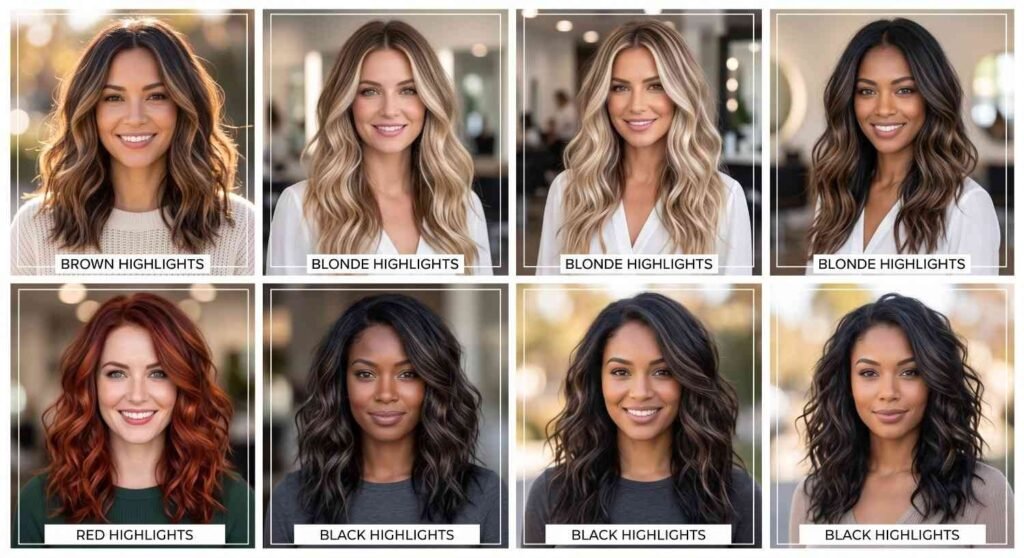
Highlight Maintenance by Hair Colour

Not all highlights fade the same way, and maintenance really does shift depending on your base colour. Here’s what tends to work best for each.

Brown/Brunette Hair

Brunette highlights typically need a salon visit every two to three months to keep them looking fresh, since darker bases show grow-out and warmth faster than lighter ones. Between visits, a toning mousse is worth keeping in rotation

It’s an easy way to knock back brassiness without committing to a full shampoo swap. Leaning on no-heat styling as often as possible also helps stretch the time between appointments, since heat is one of the fastest ways brunette highlights lose their shine.

Blonde Hair

Blonde is the most prone to brassiness out of any highlight colour, which is why purple shampoo earns a spot in the routine every two to three weeks. Masking regularly matters just as much here

Blonde hair tends to feel the effects of lightening more than other shades, so keeping it hydrated and strong is part of maintaining the colour, not separate from it. One trick worth knowing: a coloured, lightly tinted dry shampoo can help ash out the roots between washes, keeping regrowth from looking too warm or golden.

Red Hair

Red highlights fade the fastest of any colour, so it’s worth going in slightly darker and richer than your target shade from the start. It gives the colour more room to fade gracefully instead of looking washed out too quickly. 

If you have dyed red hair and are adding highlights on top, make sure your stylist keeps the highlighted sections separated from the red dye during application. Without that separation, the colours can bleed into each other and muddy the result.

Black Hair

Black hair exposes the most warmth when it’s lightened, which makes toning between highlight appointments especially important; skipping it lets brassiness show up faster and more visibly than on lighter bases. 

Heat protectant also matters more here than people expect; between the wash routine, styling habits, and sun exposure, black hair with highlights can fade quicker than it looks like it should, so protecting it from heat is one of the simplest ways to slow that down.

Maintaining Highlights While Traveling

If you travel often, your highlight routine needs to travel with you and that’s usually where things fall apart. Liquids get left behind for TSA rules, or your usual products just don’t make it into a carry-on, and your at-home routine quietly stops happening for weeks at a time.

This is worth bringing up with your stylist, not just figuring out on your own. A busy travel schedule changes what kind of maintenance actually works for you, and it’s a good opportunity to ask whether your current at-home routine still fits your lifestyle or if it needs to change.

A powder-to-liquid shampoo and conditioner system solves the biggest travel problem: bulk and spill risk. Instead of packing bottles, you’re carrying a small, lightweight container of powder. Wet your hands in the shower, add a small amount of powder, and mix in a bit more water, and it transforms into a lather just like a regular shampoo or conditioner. 

No liquid restrictions to worry about, no risk of a bottle leaking through your bag, and one small container lasts through dozens of washes, which means you’re not repurchasing travel-size products every time you fly.

This kind of system isn’t just for frequent flyers. It works just as well for anyone who’s active outdoors on camping trips or at festivals or in the gym bag you keep packed anywhere a full bottle isn’t practical but you still need to protect your colour.

If your highlights tend to look worse after a trip than before it, the issue usually isn’t the travel itself; it’s that your routine didn’t come with you. Fixing that is a lot simpler than it sounds.

A Styling Routine That Keeps Color Looking Fresh

How you style your hair day to day plays a bigger role in how long highlights look good than most people realise and the right routine doesn’t have to be complicated.

Start at the roots with a volumising mousse. Massaging a small amount into the root area adds fullness and body without weighing hair down, and it gives you something to work with even as highlights grow out. Fuller-looking roots also make regrowth less obvious, which stretches how long your hair looks freshly done between salon visits.

Use a thermal-protecting spray through the mid-lengths and ends before blow-drying. This does double duty; it shields hair from heat damage while also helping your style hold longer, so you’re not reaching for hot tools again the next day just to fix flat, lifeless ends. Protecting this way means your highlights keep their vibrancy instead of slowly dulling every time you blow-dry.

Finish with a dry oil mist once your style is done. This is the step that pulls everything together; it adds softness and a noticeable shine without making hair feel heavy or greasy. 

It’s also what makes highlights actually catch the light instead of just looking flat and one-dimensional, even after all the toning and protecting you’ve already done.

Layered volume at the roots, protection through the length and shine at the end – this routine does more than just style your hair. It’s actively working to keep your highlights looking as fresh as the day you left the salon.

How to Choose the Right Stylist for Your Highlights

Every tip in this guide works better when you’re working with the right stylist to begin with and that comes down to more than just their portfolio.

A good stylist looks at your hair and your lifestyle before recommending anything. Highlight maintenance isn’t one-size-fits-all; how often you wash your hair, how much heat styling you do, how busy your schedule is, and even how often you travel all shape what kind of highlights will actually work for you long-term. 

A stylist who asks about these things before picking a technique is setting you up for colour that’s realistic to maintain, not just colour that looks good walking out the door.

Communication matters more than people expect. Bring reference photos, but don’t stop there; be upfront about how often you’re actually willing to come in for touch-ups and what your day-to-day routine looks like. 

The clearer you are about your lifestyle and expectations, the better your stylist can customise both the technique and the products they recommend, instead of giving you a generic recommendation that doesn’t fit how you actually live.

Getting this right at the start saves you from a colour that fights your lifestyle every step of the way and makes everything else in this guide easier to actually stick to.

FAQ‘s

How often should I get my highlights toned?

Every 4-6 weeks on average. Blonde highlights need it closer to every 2–3 weeks since brassiness shows up faster.

Can I tone my highlights at home safely?

Yes, blue for brunettes and purple for blondes. Just don’t leave it on longer than the instructions say, or hair can look dull or overly cool-toned.

Does hard water really fade hair colour?

Yes. Mineral buildup fades colour and dries out strands, no matter how good your product routine is. Worth testing your water if highlights fade faster than expected.

What’s the difference between a gloss and a toner?

Toner cancels out brassiness. Gloss adds shine and vibrancy. Using both together gives the best result.

Are babylights lower maintenance than traditional highlights?

Generally yes. The grow-out is softer and less obvious, so salon visits can be spaced further apart, though you’ll still need to tone and protect at home.

Conclusion

Highlights that last aren’t about one magic product they’re about small habits working together: what you ask your stylist for, how you wash and tone at home, and protecting your hair from heat, sun, and hard water. Start small. Switch to a color-safe shampoo, or finally use that heat protectant you’ve been skipping, and build from there. Your highlights will hold their shine, and you’ll spend a lot less time and money chasing brassiness out of your hair.

Best Leave-in Conditioners for Fine, Straight Hair in 2026

2

Fine, straight hair is surprisingly picky; it needs moisture but turns limp and sticky within hours if you reach for the wrong formula. I’ve gone through countless bottles before figuring out what actually works, and it always traces back to one thing: the right leave-in conditioner.

Getting bored with your products mid-week is usually a sign of a mismatch, not a product failure. A solid leave-in conditioner should keep hair genuinely hydrated, not just superficially soft from wash day to the last day before you wash it out again.

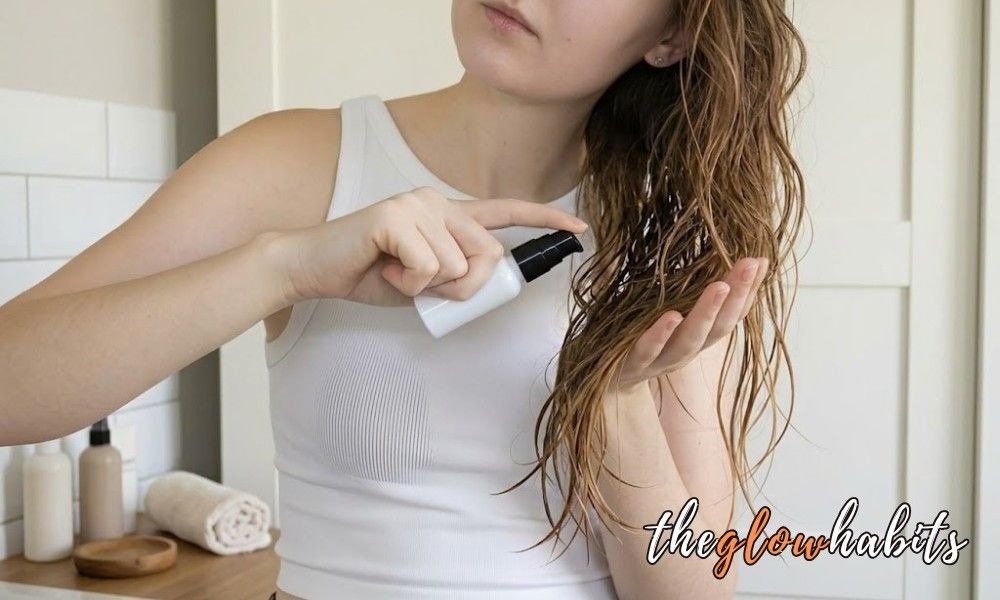
One of the biggest mistakes I still see is treating leave-ins like a rinse-off treatment. Unlike regular conditioners, leave-in conditioners stay on your strands to reduce frizz, protect hair from damage, and do it all without leaving a waxy film or making your ends feel crunchy by afternoon.

Think of a good leave-in conditioner as a quiet, essential act of self-care, not just a step in your haircare routine, but a real commitment to healthier hair over time. Using one at least twice a week is the difference between a reactive fix and a genuinely proactive routine.

Before heat styling, it’s also how you properly prep your strands, building a protective layer that keeps fine hair from snapping under high temperatures. The best leave-in conditioners of 2026 prove you don’t have to sacrifice great scents or a reasonable price for results that are actually worth it.

Best Leave-In Conditioners for Fine, Straight Hair (2026)

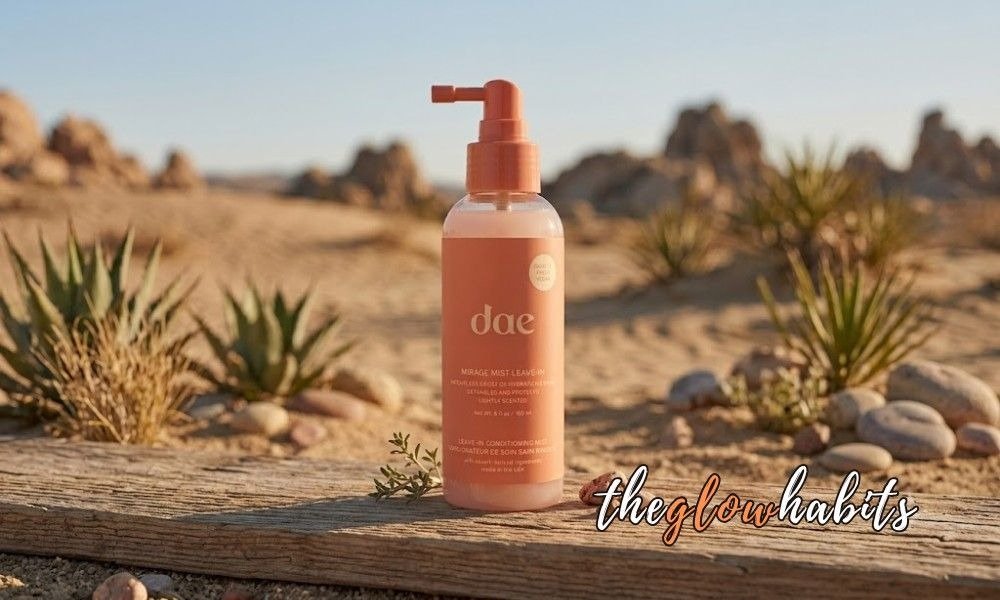
DAE Mirage Mist Leave-In Conditioner

  • Best For: Clean beauty lovers and everyday frizz control
  • Pros: Incredible citrus scent, lightweight gradual hydration, improved spray nozzle
  • Cons: Was briefly discontinued (but thankfully it’s back!)

The first thing you notice about DAE‘s Mirage Mist is the citrus scent; it’s fresh and uplifting without being overpowering. It’s the kind of smell that actually makes you look forward to your wash routine instead of rushing through it.

Unlike most in-shower conditioners that rinse away before fully absorbing, this mist stays behind and gets to work adding hydration directly where fine hair needs it most. The result is genuinely silky smooth strands, not the hollow softness that fades before you’ve even left the bathroom.

Reducing frizz is where this product quietly earns its place in your routine. Even on humid summer mornings, the DAE Mirage Mist kept my hair controlled and manageable well into the afternoon, something most lightweight sprays simply can’t promise.

Earlier batches did come with some spray issues, which honestly put a lot of people off. But the improved version sorts that out completely, delivering an even mist that spreads across hair without clumping or uneven patches.

It also avoids the common problem of formulas that dry out fine strands over time. This leave-in conditioner layers hydration gradually, giving your hair that signature healthy look without weighing a single strand down.

The product was briefly discontinued, which genuinely worried a lot of loyal users, myself included. At its current price, the comeback is absolutely worth it, especially for anyone who already knows how well it works against everyday frizz.

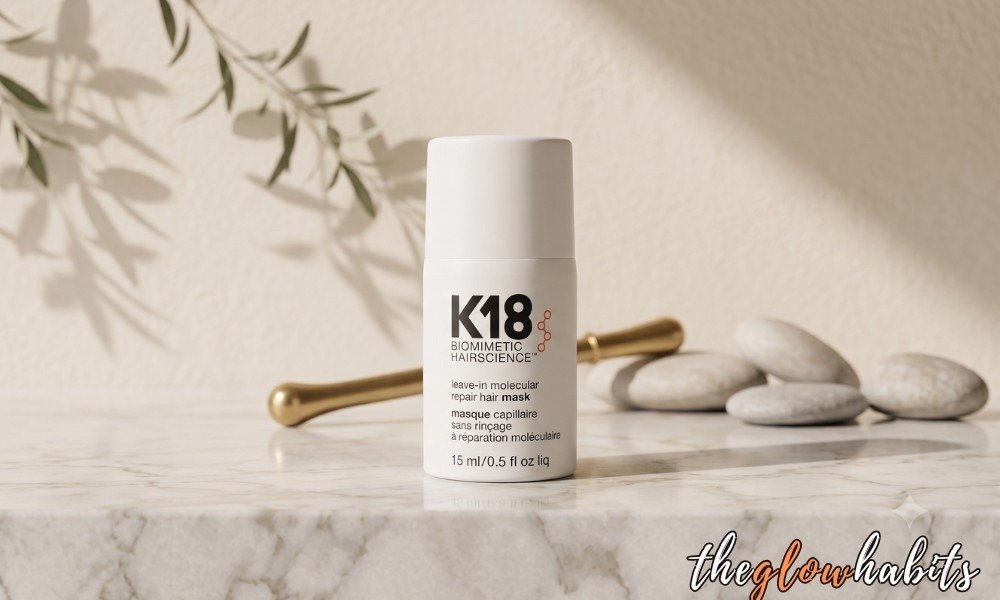
k18 leave-in molecular hair mask

  • Best For: Deep damage repair and treating split ends
  • Pros: Repairs hair from the inside out, creates a lasting protective shield
  • Cons: Higher price point

When it comes to fine, straight hair, finding the perfect balance of moisture without heaviness is tough. Using hot tools a couple of times a week often makes things much worse. After testing countless options in my daily routine, I finally discovered a standout solution.

The K18 leave-in product may seem a bit expensive, but it is a true miracle worker for dry strands. It actively targets breakage while successfully repairing split ends from the inside out.

Simply skip your normal conditioner after your shampoo routine in the morning. Just apply a tiny amount to damp strands, because a little goes a very long way with this potent formula. Let it soak in fully for four minutes before you begin brushing.

It creates a lasting shield, preventing damage with regular use throughout your busy day. I often make it a special weekend self-care treat to really let the formula work its magic. The results are beautifully clear, leaving your fine strands visibly stronger without feeling weighed down. You will immediately enjoy a shinier and noticeably softer finish that truly lasts.

crown affair leave-in conditioner cream for hydrated hair

  • Best For: A luxurious daily styling experience and air-drying
  • Pros: Doubles as a heat protectant, softens instantly without crunch
  • Cons: Expensive ($48), strong fragrance might not suit sensitive scalps

While the K18 mask works wonders for deep repair, this luxurious leave-in cream offers daily style perfection for fine hair. It feels high-end and elevates your entire morning routine. At 48 dollars, it might seem expensive, but it doubles as an effective heat protectant. A tiny dab reduces stubborn frizz instantly and gives a sleek, polished look.

When I apply it to damp strands, my fine hair softens instantly without ever feeling heavy or crunchy. You can also let your hair air dry for a soft, natural wave. The scent is quite noticeable, acting almost like a fine perfume with its rich fragrance. If your scalp is sensitive to scents, you might prefer unscented formulas or products like Unite.

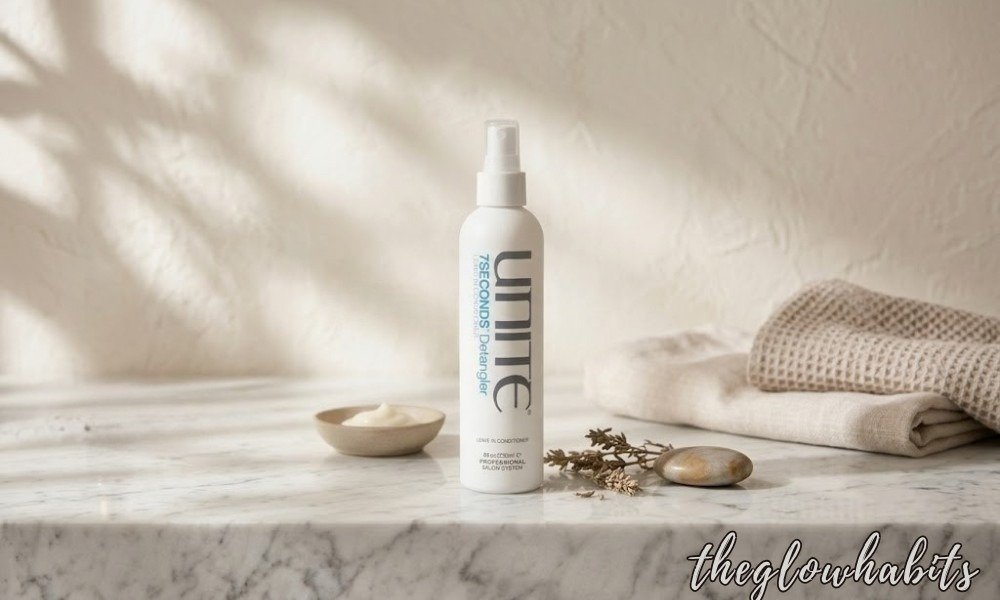
unite hair 7SECONDS detangler leave-in conditioner

  • Best For: Daily detangling, travel, and beach days
  • Pros: Extremely lightweight, fantastic at tackling harsh water and severe tangles
  • Cons: Packaging is a bit basic for the price

If you need a reliable daily hair solution, this lightweight formula fits seamlessly into any morning routine. It acts as a super hydrating leave-in conditioner that never weighs down fine, limp strands.

I always pack this versatile product when I travel because harsh hotel water often causes severe dryness. Spritzing it on damp hair instantly helps reduce stubborn frizz and smooths out tough tangles.

Whether I am spending a windy afternoon at the beach or blow-drying at home, it effectively prevents long-term damage. It serves as an essential pre-styling heat protectant to shield delicate hair every single day.

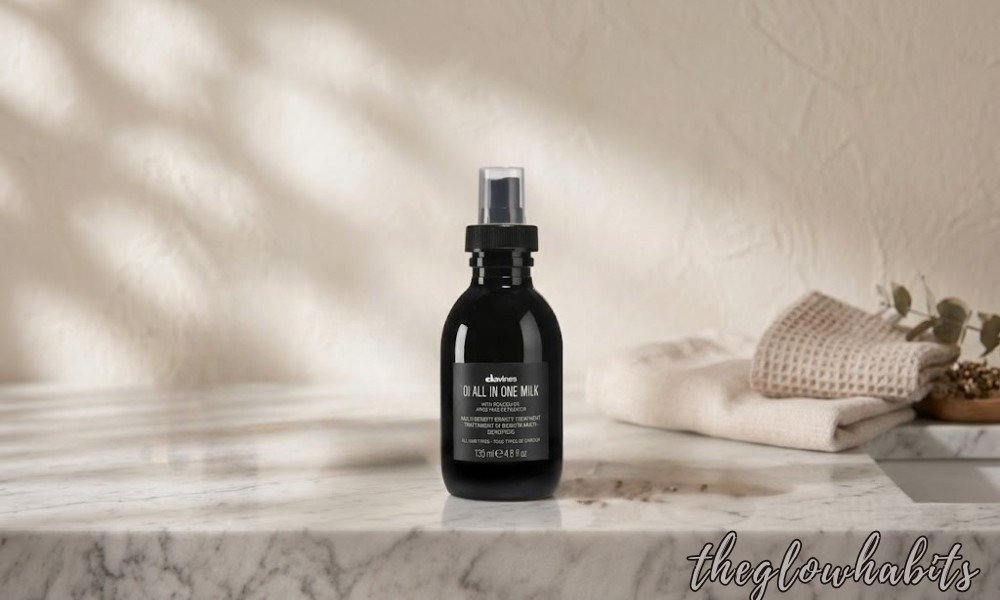
Davines oi all in one milk

  • Best For: Intensive weekend treatments
  • Pros: Beautiful earthy scent, incredibly smoothing
  • Cons: Can make hair feel crunchy if you apply too much

When exploring Davines products for straight, fine textures, this rich hair milk truly stands out. It acts as an intensive leave-in conditioner that effortlessly smooths out frizzy strands. I personally find it works much better than their standard O.I. oil, which often struggles to fully absorb. A tiny spray gives you incredibly softer hair without feeling overly heavy or greasy.

However, you must be careful not to apply too much, or your strands might feel a bit crunchy. Since it functions almost like a deep conditioning mask, I prefer using it as a special weekend treatment. The unique, earthy scent lingers beautifully while you blow-dry and style your locks.

Moroccanoil All-in-One Leave-In Conditioner

  • Best For: Weightless hydration and natural shine
  • Pros: Drastically lighter than their serums, reduces split ends
  • Cons: The spray nozzle can be tricky to use evenly

Finding a conditioner that provides deep hydration without weighing down straight strands is a constant challenge. I have always struggled with thick oils making my roots look greasy halfway through the day.

This Moroccanoil spray is drastically lighter than their traditional serums, making it incredibly fine-hair-friendly. It easily manages to hydrate my lengths while feeling completely weightless. I apply it immediately after washing to lock in vital moisture before I even grab a comb. It quickly reduces annoying frizz and adds a brilliant, healthy shine to my natural texture.

Since making this leave-in a staple in my routine, I notice far fewer split ends. It even protects my hair from heat tools when I decide to switch up my daily look. Because the spray nozzle can sometimes be a bit tricky to apply evenly, I prefer keeping the bottle at home rather than packing it for travel.

FAQ‘s

What is the best leave-in conditioner for dry, frizzy hair?

Choose rich, cream-based formulas with hydrating ingredients like shea butter or argan oil to lock out humidity.

Will leave-in conditioner weigh down fine or thin hair?

Heavy creams will, so stick to lightweight, water-based sprays and apply them only from the mid-lengths to the ends.

Do you need a leave-in conditioner for straight hair?

Yes, a lightweight spray helps detangle, reduce static, add shine, and protect against heat styling.

What should I look for in a leave-in conditioner for damaged hair?

Look for reparative ingredients like keratin, silk amino acids, or bond-building technology to patch up broken protein structures.

How do I choose a leave-in conditioner for fine, wavy hair?

Opt for a lightweight hair milk or mist to define your waves and tame frizz without pulling your hair flat.

Conclusion

Finding the perfect leave-in conditioner for fine, straight hair is all about choosing lightweight hydration over heavy creams. Whether you need deep repair, daily detangling, or simple frizz control, the secret to success remains the same: less is more, and always focus your application strictly from the mid-lengths to the ends. By making a quality leave-in an essential step in your routine, you can finally enjoy stronger, shinier, and perfectly protected hair without sacrificing your natural volume!

Blue vs Purple Shampoo for Blonde Hair: What’s the Difference?

1

Ask anyone who colours their hair regularly and you’ll hear the same question over and over: blue or purple? After years of working with colour-treated hair, I can tell you that grabbing the wrong one doesn’t just fail to help; it can genuinely undo weeks of toning work.

The difference between blue and purple shampoo comes down to more than just which bottle looks prettier on your shelf. Your hair type, how brassy your colour has turned, and what tone you’re actually trying to fix all determine which one belongs in your shower.

Here’s the short version: both are toning shampoos, but they neutralise opposite problems. Purple cancels yellow. Blue cancels orange and red. Get that backwards and you’ll spend weeks wondering why your toner “isn’t working”.

Quick answer:
If your hair (typically blonde, highlighted, or grey) is turning yellow, reach for purple. If your hair (typically brunette or dark and colour-treated) is turning orange or red, reach for blue.

Quick Comparison

FeaturesPurple ShampooBlue Shampoo
CancelsYellow tonesOrange and red tones
Best for
Blonde, platinum, highlighted, grey hair
Brunette, dark brown, dark highlighted hair
Color wheel logicOpposite yellowOpposite orange
FeelGenerally gentler, more hydratingCan be stronger; pair with a rich conditioner
ResultsVisible after 1–2 washesVisible with consistent use
How often1–2x per week1–2x per week, less if hair feels dry

Blue vs Purple Shampoo: What’s the Difference?

Two Toners, Two Different Jobs

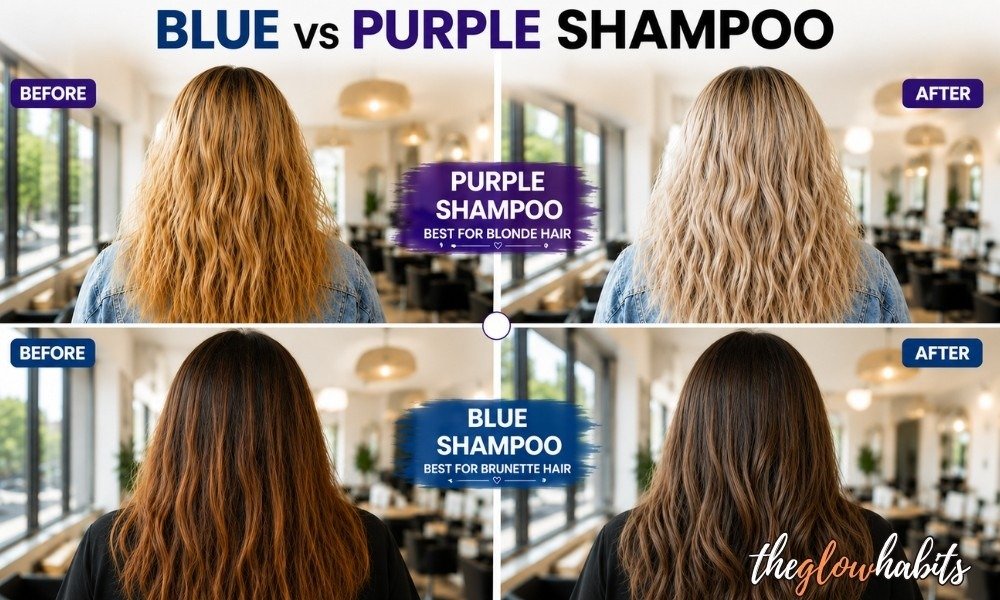
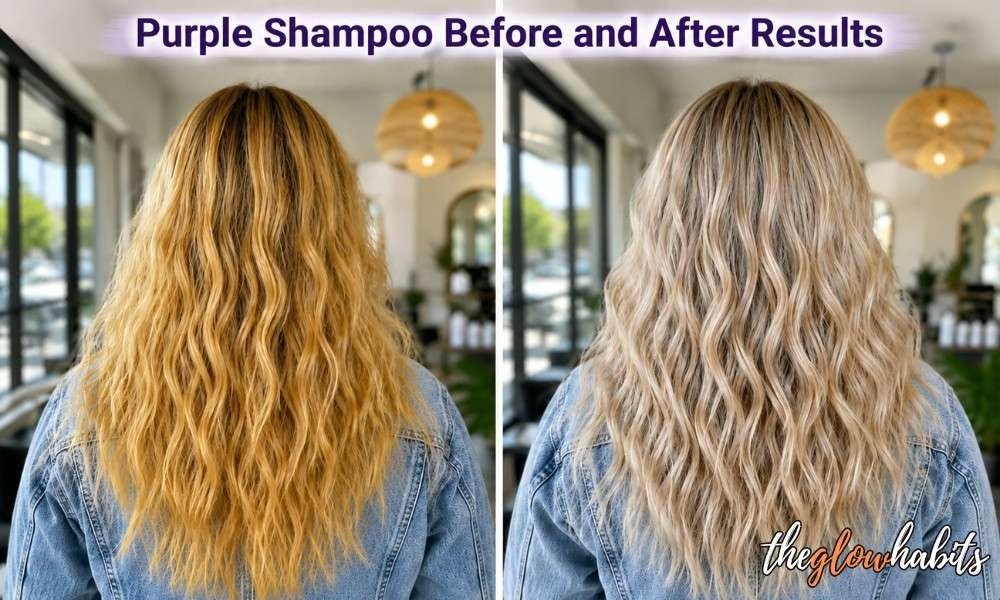
Purple shampoo is the go-to for blondes for a simple reason: its violet pigment sits opposite yellow on the colour wheel, so it neutralises yellow undertones and cancels brassiness on contact. In my experience, even one wash can visibly brighten blonde hair after a colour service.

Blue shampoo gets less attention, but it deserves more. Its blue pigment sits opposite orange on the colour wheel, targeting orange and red undertones common in brunette hair. If your colour looks warmer after heat styling, blue is the fix.

These two products aren’t interchangeable. Purple is built for light hair colours; blue is built for brunette and dark hair. Using one in place of the other typically just leaves you with brassiness you can’t explain.

How to Tell Which One You Need

The fastest way to figure out which shampoo fits your hair is to look at what your colour is actually doing between salon visits:

  • Turning yellow or brassy-gold? That’s a purple problem common in blonde, platinum, and highlighted hair.
  • Turning orange, copper, or reddish? That’s a blue problem common in brunette and dark, colour-treated hair.

I’ve used both back-to-back on clients, and the difference in outcome is immediate once you’re treating the right tone. Overusing either one, though, can overcorrect your colour, so start with a short application time (two to three minutes) and build up rather than leaving it on too long from the start.

How Often Should You Actually Use It

This is where most people either overdo it or don’t do enough. As a general rule, one to two washes a week is the sweet spot for both blue and purple shampoo, enough to keep brass at bay without stripping natural oils or overcorrecting your tone into an ashy or purple-grey cast.

A few things change that baseline:

  • Freshly bleached or lightened hair tends to grab pigment fast, so you may only need it once a week at first. Using it more can push blonde hair toward a lavender tint.
  • Naturally coarse or dry hair should lean toward the lower end too, and always follow with a moisturising conditioner the same day.
  • Hair that processes brass quickly (common with hard water or frequent heat styling) can handle two to three washes a week without issue.
  • Grey hair usually does well with purple shampoo twice a week, paired with a hydrating mask at least once in that same window.

The easiest way to dial this in is to watch your hair over two weeks. If brass creeps back before your next wash, add a session. If your colour starts looking flat, dull, or slightly purple/blue-tinted, cut back.

What to Look for on the Ingredient Label

Not all toning shampoos are built the same, and the ingredient list tells you a lot about how a formula will actually behave on your hair.

  • Pigment source matters most. Look for shampoos that list violet or blue pigments (sometimes shown as ‘colour additives’ like Blue 1 or Violet 2) fairly high on the ingredient list; that’s what determines how strong and how fast the toning effect will be.
  • Sulphates are worth checking for if your hair is already dry or damaged. Sulphate-based cleansers strip colour and moisture faster, which can work against you if you’re also trying to tone down brassiness. A sulphate-free formula is gentler and better for hair that’s already been through bleach or repeated colour services.
  • Hydrating additives like argan oil, shea butter, or keratin help offset the drying effect that pigmented shampoos can have with regular use. These are especially worth prioritising in a blue shampoo, since blue formulas tend to run slightly stronger than purple ones.
  • Protein or bond-building ingredients (like the kind found in bond-repair treatments) are a nice bonus for chemically treated hair, since toning shampoo alone doesn’t repair structural damage; it only manages colour.

Blue vs Purple Shampoo: Before-and-After Results

Which is better for colour-treated hair?

Blue shampoo is a newer category; it’s only gone mainstream in the last few years, but the formulas available now are far more refined than early versions. Purple shampoo, on the other hand, has been the default for longer, and purple formulas tend to be gentler and more hydrating overall. Hair that’s already prone to breakage or split ends usually responds better to purple than to a stronger blue formula.

Blue shampoo works well on dark or subtly highlighted hair carrying deep brass tones, but using it on hair that’s just been heavily bleached without following up with a hydrating conditioner is where people run into trouble. If your hair has recently been through a damaging colour process, check how it’s holding up before reaching for the stronger option, and always follow with a rich conditioner regardless of which toner you use.

Which Is Better for Grey Hair?

Blue shampoo is rarely the right call for grey hair. Grey tends to pick up yellow rather than deep orange, so blue is solving a problem your hair probably doesn’t have. Purple is the better fit here. Grey hair tends to be wiry and prone to frizz, and a good purple shampoo lifts that yellow cast while leaving strands looking cleaner and brighter. The bigger risk with grey hair isn’t which toner you pick; it’s drying formulas in general. 

Grey hair loses moisture fast, so pair whichever shampoo you use with a conditioner or deep mask at least once a week. Skipping that step is where grey hair starts looking rough and dull, regardless of the toner.

Best Purple Toners for Blonde and Grey Hair

UNITE Hair BLONDA Purple Shampoo

My first reach for cancelling yellow and brass without harshness. It’s sulphate-free, paraben-free, and colour-safe; rinses clean without residue; and won’t stain your hands or shower walls the way some stronger formulas do.

Davines Alchemic Conditioner

A toning conditioner rather than a shampoo, but it earns a permanent spot in blonde routines. The pigment is intense enough to shift tone in a single use, and it layers well after a purple shampoo step for extra shine and hydration.

Kristin Ess One Purple Conditioner

The budget pick that doesn’t feel like a compromise. It’s gentle enough for regular use and works well as a toning step on days you don’t want a full shampoo routine.

Fanola No Yellow Shampoo

A cult favourite among stylists for a reason: it’s a strong, fast-acting formula that works well on very brassy or previously bleached hair. Because it’s potent, this one is best used once a week rather than as a daily driver.

Redken Color Extend Blondage 

A slightly more hydrating alternative to stronger drugstore formulas, built specifically for colour-treated blonde hair that also needs UV and heat protection. A solid pick if your hair leans dry.

Pairing tip

Follow up with a leave-in conditioner (like 7SECONDS Detangler) for extra hydration and heat protection. Toning shampoos can be drying if used without a follow-up step.

Best Blue Toners for Brunette and Highlighted Hair

Aveda Blue Malva Shampoo 

A gentle, hydrating formula that makes highlights pop without stripping the hair. It costs more up front, but the bulk size stretches the price per wash down considerably.

Pureology Color Fanatic Top Coat

Technically a tone-depositing gloss rather than a shampoo, this is a strong pick for dark brown and black hair (level 1–2) that’s picking up brass. It adds shine and softness without requiring a full toning-shampoo routine.

Matrix Total Results Brass Off

A budget-friendly blue shampoo built specifically for brunette hair fighting orange and copper tones after colour services. It’s a solid entry point if you’re testing blue toning for the first time.

Joico Color Balance Blue Shampoo 

A slightly stronger formula that works well on dark, cool-toned brunette hair, particularly after balayage or highlights that have started pulling warm.

Pairing tip 

Aveda for the wash and Pureology for the gloss finish – together they cover both the toning and the shine step that brunette hair needs.

FAQs

Can I use blue and purple shampoo at the same time?

Not in the same wash and generally not on the same hair; they target opposite tones, so combining them can muddy your colour. If you have both blonde and dark sections (like a balayage), alternate instead: purple on blonde pieces, blue on roots or lowlights.

Will these shampoos change my natural hair colour?

No. Toning shampoos only affect colour-treated or lightened hair; the pigment binds to porous, processed strands. On untreated, natural hair, they typically have little to no visible effect.

Why does my hair look purple or blue-grey after using it? 

This usually means the product was left on too long, used too often, or applied to hair that’s already light enough that it doesn’t need much correction. Cut back to once a week and clarify with a gentle shampoo if the tint doesn’t fade.

Can I use toning shampoo every day? 

It’s not recommended. Daily use of a pigmented shampoo increases the risk of overtoning and can dry out hair faster than a standard shampoo would.

What’s the best purple shampoo for blonde hair?

A gentle, sulphate-free formula like UNITE Hair BLONDA or Redken Colour Extend Blondage.

What’s the best blue shampoo for orange hair?

Matrix Total Results Brass Off (budget) or Joico Colour Balance Blue (stronger, cooler tone).

What is the best blonde shampoo overall?

A sulphate-free purple shampoo that tones yellow and hydrates blonde hair needs both.

Conclusion

Purple shampoo fixes yellow tones best for blonde, highlighted, and grey hair. Blue shampoo fixes orange and red tones best for brunette and dark hair. Use the wrong one and you’re just wasting product. Stick to 1–2 washes a week, choose a sulphate-free formula if your hair is already dry, and always follow with a conditioner. Once you know your tone, the choice is simple.

Best Shampoos for Fine, Damaged Hair in 2026 (Top Picks)

1

Most people grab whatever’s on sale without a second thought, but for fine, damaged hair, that habit can make things worse. After years of testing on my own over-processed, colour-treated strands, choosing the right shampoo has become the foundation of my routine.

The best formulas hydrate the cortex of each strand while keeping the scalp clean and balanced. A heavy product leaves a greasy film on fine hair; a too-harsh wash strips moisture and triggers scalp irritation.

That’s where a rotating arsenal of clarifying and moisturising shampoos helps, especially for highlighted or chemically treated hair. Use a clarifying wash after workouts to remove buildup, and a daily moisturising wash with a weekly clarifying session to protect damaged ends over time.

Toning shampoos have also been a personal game-changer for keeping highlighted or lightened hair looking sharp between appointments. I swap mine in every few washes rather than daily – that keeps the tone balanced without overdoing it. If you’re unsure which one suits your hair best, this guide on blue vs purple shampoo for blonde hair breaks down the difference really well.

Best Shampoos for Fine, Damaged Hair in 2026

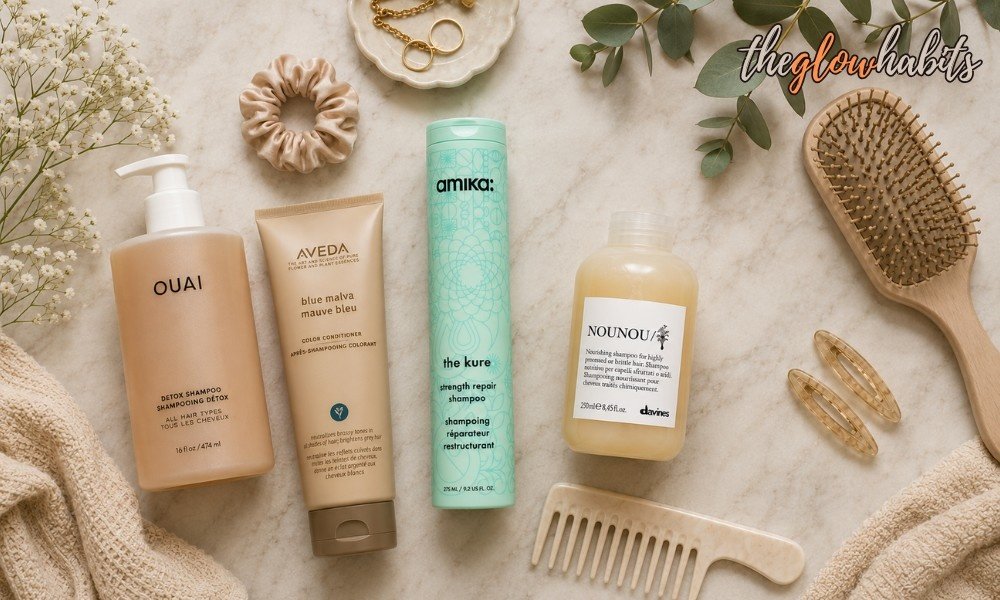
Davines NouNou Shampoo

This shampoo earns a permanent spot in your routine once you’ve tried enough others to know the difference. It’s deeply hydrating without ever weighing hair down rare for fine hair that needs moisture but can’t handle heaviness.

It’s also clean beauty–certified and gentle enough for regular use without stressing the scalp. The formula rinses out easily and leaves hair feeling genuinely fresh. I keep a bottle for travel, too; even harsh, extra-drying hotel water doesn’t strip the moisture out when this is in the mix.

Amika The Kure Bond Repair & Strength Shampoo 

For serious damage, breakage, frizz and colour stress, this is the first thing I reach for. Its bond-repair technology works deeper than a typical salon treatment, without drying out the scalp.

It’s also a solid clean-beauty option I rotate in after heavy styling weeks. A jumbo size is available online if you use it consistently, and for real damage, it’s worth the investment. I often pair it with Amika’s Melu for a fully hydrating routine.

Ouai Detox Shampoo

A detox shampoo sounds great until it leaves fine hair feeling like dried-out straw, which is exactly what most cheaper clarifying formulas do. Not every option on the market is built with fine, damaged hair in mind, so the formula matters more than the label.

Ouai gets the balance right: it clears buildup effectively while staying gentle enough to avoid serious dryness, something very few brands manage consistently. I reach for it about twice a month as a reset, pairing it with a gentle daily shampoo in between so already damaged hair never gets overloaded. For fine hair close to breakage, it’s the best clarifying option in its category right now.

UNITE Hair BLONDA Purple Shampoo

If brassy, yellow tones have crept in and a toning conditioner alone isn’t cutting it, this is the dedicated purple shampoo I reach for. It lifts unwanted warmth fast without leaving hair feeling stripped, unlike harsher purple formulas.

For lighter maintenance between washes, Aveda’s Blue Malva Conditioner is worth keeping on hand; it works as a subtle blue toner and adds moisture, which most toning conditioners skip. Used together, BLONDA handles the heavy lifting, and Blue Malva maintains day-to-day tone for a full toning system.

Amika Big Hit Volumising Shampoo

Fine, limp hair doesn’t just need moisture it needs volume that holds, not the midday collapse most volumising shampoos cause. This one’s different: a clean-beauty formula that lifts from the root while staying light enough to keep bounce all day.

Finding lift without dryness is genuinely hard, and this is one of the few that manages both. The scent is an unexpected win, too fresh without being overpowering. Whenever fine hair starts feeling flat again, this is my go-to.

Best Budget-Friendly Shampoos for Fine, Damaged Hair

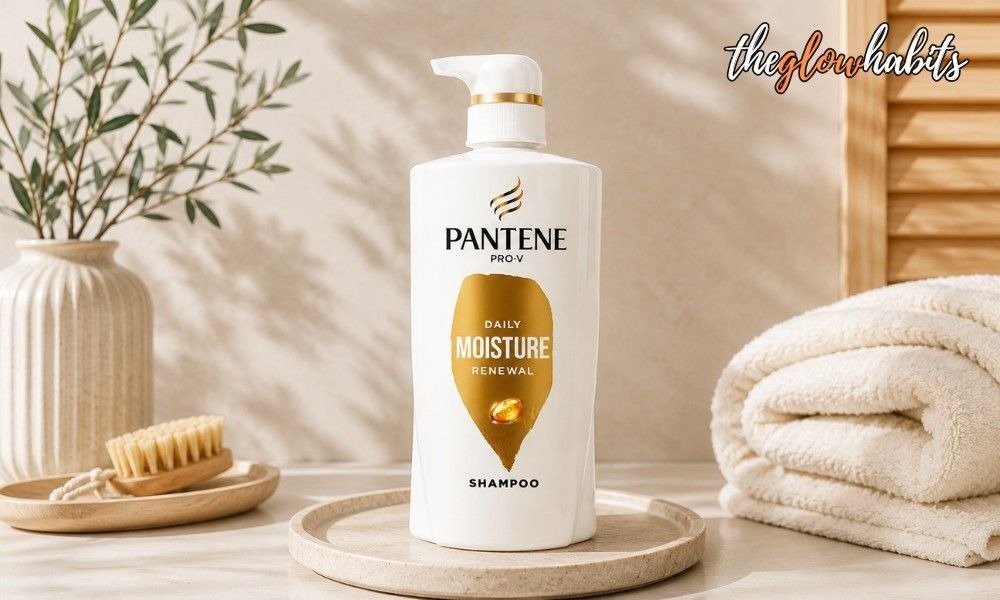
Pantene Pro-V Daily Moisture Renewal Shampoo

A greasy film after washing usually means a shampoo isn’t doing its job; most budget formulas rely on cheap sulphates that strip moisture instead of supporting renewal.

At $12, this breaks that pattern. It gradually restores moisture with each wash instead of stripping it away, and even after months of use, it has never left a heavy film on fragile hair. The renewal effect is slow but real, especially paired with a weekly hydrating mask.

For colour-treated hair, using this daily and stepping back from harsher washes makes a noticeable difference proof that a non-damaging formula doesn’t have to cost much.

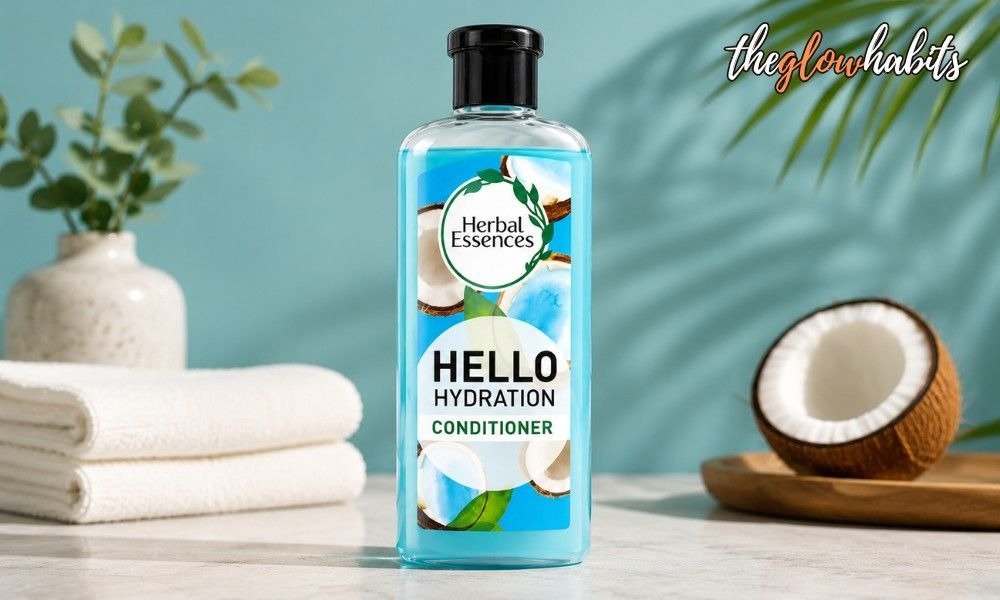
Herbal Essences Hello Hydration Shampoo

The idea that drugstore products can’t compete with premium ones has been disproven plenty of times, and this shampoo is one of the clearest examples. It’s held its ground for years as an affordable, reliable pick.

It’s easy to grab at any drugstore, and the hydration doesn’t feel watered down. I’ve rotated it alongside pricier picks like Amika, and the performance gap was smaller than expected.

Quick Comparison

ProductBest ForPriceClean Beauty
Davines NouNouDaily hydration, travel~$38Yes
Amika The KureDeep repair, breakage~$34Yes
Ouai DetoxBi-monthly clarifying reset~$34Yes
UNITE BLONDABrassy/yellow toning~$80No
Amika Big HitVolume without weight~$29Yes
Pantene Pro-VBudget daily moisture~$25No
Herbal Essences Hello HydrationBudget everyday hydration~$7No


Prices are approximate and can vary by retailer; worth a quick check before you buy.

How to Choose the Right Shampoo for Fine Hair

Most people focus on the brand name, but the ingredients list tells the real story.

  • Silicones like dimethicone coat the strands and build up over time, slowly weighing down fine hair and quietly killing volume.
  • Sodium lauryl sulphate (SLS) is a common surfactant in budget formulas; it lathers well but dries out the scalp, so it’s worth avoiding if your scalp is sensitive.
  • Botanicals like ginseng and ginger support the scalp and encourage lift at the root; several stylists have pointed to these plant-based ingredients as a driver of improved texture over consistent use.
  • Biotin and vitamin B5 build strength inside fine strands without adding weight, genuinely improving texture with regular use.
  • Hyaluronic acid hydrates strands from the inside, keeping fine hair from going stiff or flat as it air-dries, with body but without the crunch.
  • Oils are a double-edged sword: lightweight oils nourish dry ends and scalp without residue, while heavier oils collapse volume fast.
  • Fragrance is easy to overlook but matters for sensitive scalps; a heavily perfumed formula can trigger irritation, so unscented is often the safer choice.
  • Surfactants control lather and cleansing; a balanced formula lifts dirt and buildup without being overly drying, which is what separates a great shampoo from one that just smells good.

How We Tested the Best Shampoos for Fine Hair

Results only show up with consistent, structured use, not a single washday impression. Eight editors with a mix of hair types tested each product for six weeks, giving enough wash days to fairly judge how each formula held up over time.

Each shampoo was scored on lather quality, how thoroughly it cleansed, and how clean the strands felt afterwards. Testers with fine and thin hair specifically evaluated hydration, volume, thickness, and visible improvement.

The most consistent finding: a lot of shampoos promise fullness but quietly leave residue that flattens fine hair by the second wash day, a pattern that only became obvious over the full six weeks.

FAQs

What is the best shampoo for damaged hair?

The best shampoos for damaged hair contain reparative ingredients like keratin, biotin, argan oil, or bond-building technology (e.g., bis-aminopropyl diglycol dimaleate) that help rebuild the hair’s internal structure, reduce breakage, and restore shine.

What causes hair damage in the first place?

Common causes include heat styling, chemical treatments (colouring, bleaching, and perming), UV exposure, over-washing, harsh brushing, and environmental stressors like chlorine or hard water.

Should I use shampoo and conditioner together for dry, damaged hair?

Yes. Pairing a moisturising, sulphate-free shampoo with a nourishing conditioner (or deep-conditioning mask) gives better results than shampoo alone, since conditioner helps seal in moisture and smooth the cuticle after cleansing.

What ingredients should I avoid if my hair is damaged?

Avoid sulphates (SLS/SLES), high alcohol content, and heavy silicones, as these can strip natural oils or cause buildup that weighs down already fragile hair.

What’s the best shampoo for fine hair?

Lightweight, volumising shampoos without heavy oils or silicones work best for fine hair. Look for formulas labelled “volumising” or “weightless” that cleanse without flattening strands.

Can fine hair also be damaged or dry?

Yes, fine hair is often more prone to damage because it has less structural mass. A shampoo that balances lightweight volume with light hydration (avoiding heavy conditioning agents) works best for dry, fine hair.

How often should I wash damaged or fine hair?

2–3 times a week is generally recommended. Over-washing can strip natural oils and worsen dryness/damage, while fine hair can get weighed down or look greasy if washed too infrequently.

Are sulphate-free shampoos better for damaged hair?

Generally yes, sulphate-free formulas cleanse more gently, which helps prevent further stripping of moisture and protein from already-weakened hair strands.

Can the same shampoo work for both dry, damaged hair and fine hair?

It’s possible if the formula is lightweight yet moisturising (e.g., avoiding heavy butters/oils but still including proteins or panthenol), but for best results, choose a product specifically formulated for your dominant hair concern.

Conclusion

The right shampoo for fine, damaged hair balances hydration and volume without weighing strands down. Whether you choose a sulphate-free everyday formula, a budget-friendly pick, or a deep bond-repair treatment, consistency is key. Pair it with a good conditioner and occasional clarifying wash to keep fine, damaged hair looking healthy and full.

Best Blue Shampoo for Brunettes (Expert Picks)

2

A good blue shampoo does something most people overlook: it quietly targets brassy orange tones that sneak in and ruin your colour. If you’re a brunette with colour-treated or highlighted hair, you’ve probably watched those undesirable warm shifts take over without warning.

Most people still reach for a purple shampoo, but that’s designed for blondes. What actually makes a real difference for darker hair is a blue toner, one that’s built to cancel out both the brassy orange and stubborn red tones brunettes constantly deal with.

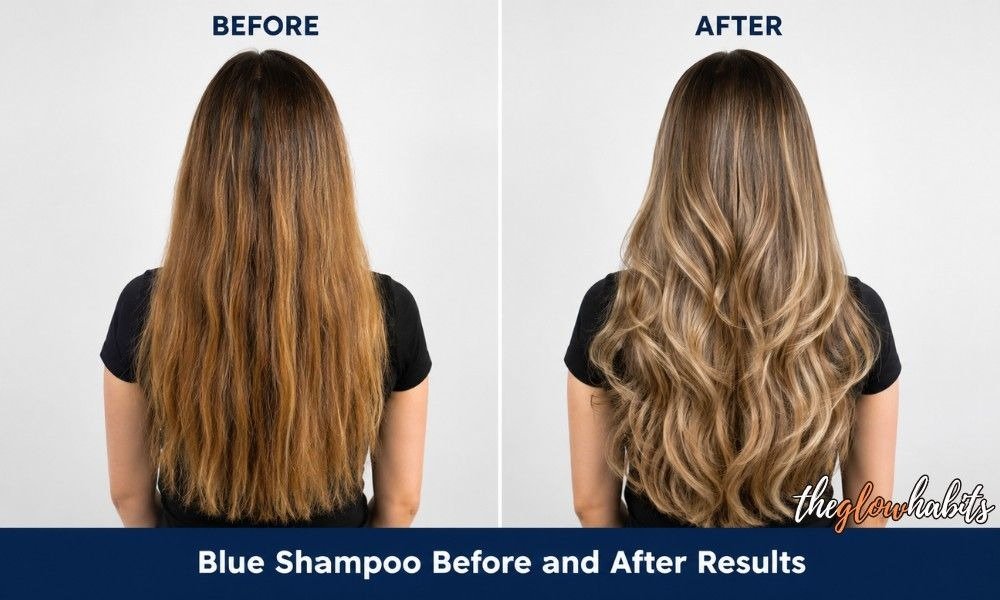
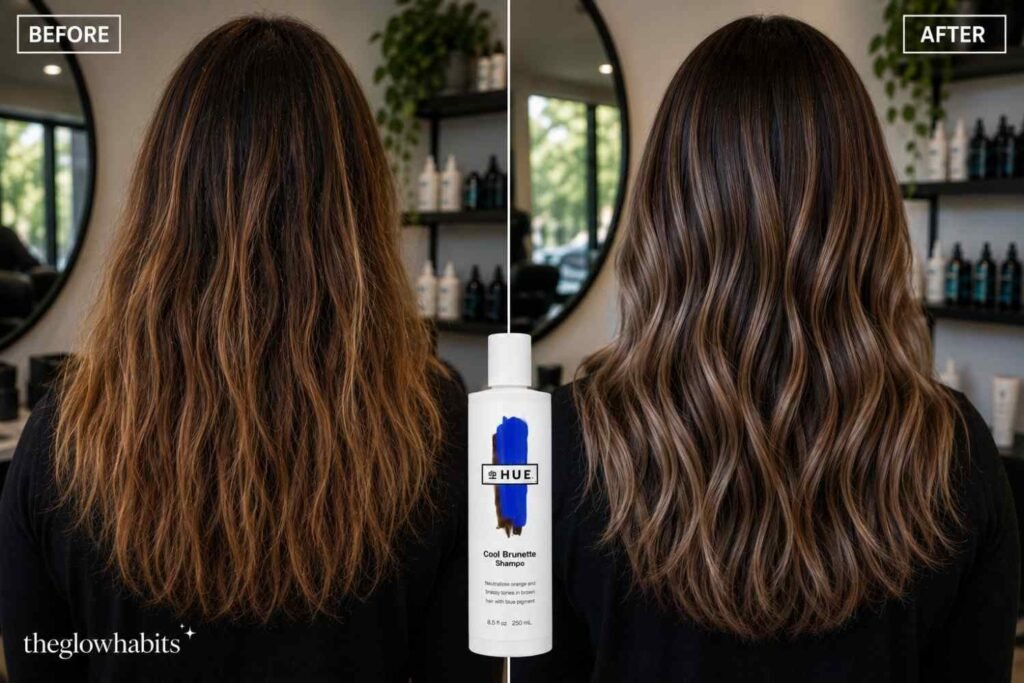
I’ve tested plenty of blue shampoos over the years, and the results are always noticeable within the first few washes. The blue tint in these formulas works against the color wheel to neutralize warmth and restore shine, something no regular shampoo can pull off.

Used as a hair toner in wash form, this type of product is highly effective at fighting dullness naturally, without stepping foot in a salon. It’s the smartest at-home move for anyone who wants healthier-looking color that lasts longer between appointments.

One thing experience has taught me is that blue toners can dry out your strands if overused, so always follow up with good conditioners. Thankfully, blue shampoos come across all price points, meaning there’s a key product out there no matter your budget.

What Is Blue Shampoo and How Does It Actually Work?

It all comes down to colour theory, specifically the colour wheel. Blue sits directly opposite orange on that wheel, which means blue pigment can cancel out the warm, brassy tones that show up in brunette hair over time.

A blue shampoo is formulated as both a cleansing product and a toning agent in one step. The moment you apply it, the pigment gets to work neutralising red and orange tones, something a regular shampoo simply isn’t intended to do.

What makes toning brown hair with this method so smart is how subtle it feels. You’re not doing a full-colour treatment; you’re just washing your hair and letting the blue pigment do the heavy lifting in the background.

From personal experience, the first time I used a blue shampoo instead of a standard one, the shift was quiet but real: less warmth, more depth. That’s what good toning is supposed to feel like.

Blue Shampoo Before and After on Highlighted Brown Hair (Real Results)

Best Blue Shampoo for Brunette Hair (Expert Picks)

Not every shampoo earns a spot on a curated list; only high-quality products that actually deliver real results make the cut. After testing bottles across every price range, a few names kept rising to the top.

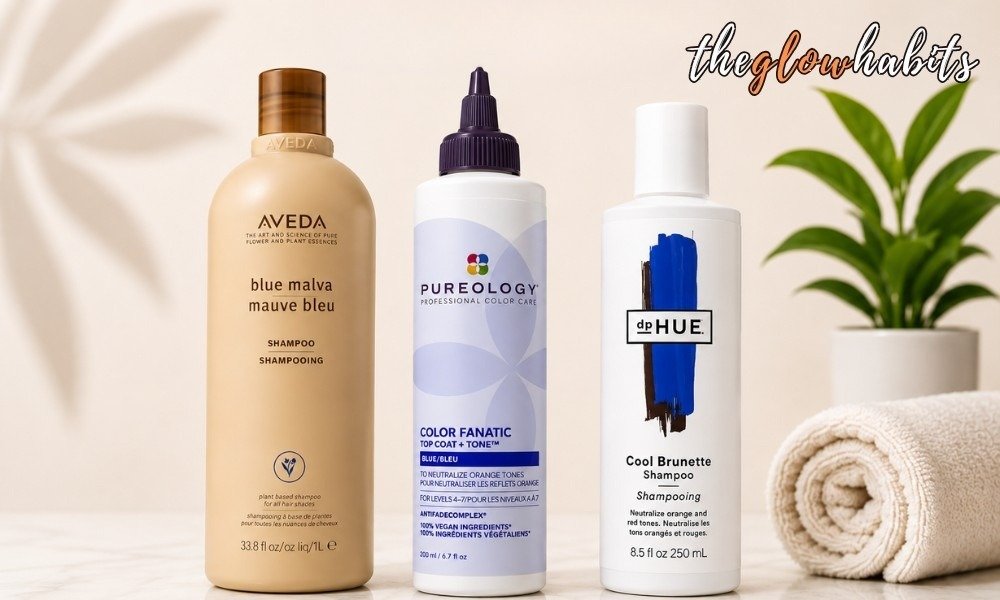
Aveda Blue Malva Shampoo

It is one of those picks that keeps coming up for good reason. As a hair brand, Aveda has built its reputation on clean, plant-forward formulas that don’t trade performance for gentleness, and this one holds up.

The suds feel rich without being harsh, and the formula stays gentle on the scalp even with regular use. It’s particularly well-suited for wiry hair types that tend to tangle after washing and need a little extra care.

What I personally appreciate most is that it isn’t drying the way some toning shampoos can be. The shine it leaves is real and visible, not the kind that fades by day two.

If you wash your hair often, the bulk size option makes it far less expensive per use over time. That kind of value turns an already strong shampoo into an easy long-term commitment.

Pureology Colour Fanatic Coat + Tone Hair Gloss

The Pureology Colour Fanatic Top Coat + Tone Hair Gloss isn’t your standard shampoo; it’s a full treatment that pairs color correction with genuine conditioning in a single step. For anyone with dark brown hair stuck in a cycle of stubborn brassiness, that dual approach changes things fast.

The blue tint inside the formula cancels out warmth without pulling moisture out of the strand. That keeps the experience deeply hydrating, which you don’t always expect from a toning product at this level.

What I noticed after the first few uses was how the finish just felt different, visibly shinier, noticeably soft, and completely frizz-free in a way that a regular gloss rinse rarely delivers. It earns its place not just as a colour fix but as a full-care treatment that works harder than most single-purpose products on the shelf.

DPHUE Cool Brunette Shampoo

DPHUE Cool Brunette Shampoo earns its spot not by being trendy but by being quietly reliable. It adds a subtle tone with just the right amount of blue, enough to neutralise warmth without overdoing it.

The formula stays light, which makes staining your hands mid-shower a non-issue. That’s a small thing that matters a lot when you’re rinsing off a shampoo with active pigment in it.

What works especially well here is how carefully it treats the scalp; it’s never harsh, never drying, and doesn’t leave that tight feeling behind. For wiry hair types or strands that are heavily damaged and prone to breakage, that gentleness is genuinely important.

It’s also a thoughtful pick for anyone sensitive to strong smells; the scent leans fresh and clean without crossing into heavy fragrance territory. Even grey mixed into brown hair responds well to it with consistent use.

Pairing it with the Cool Brunette Conditioner is where the real shine comes through. Yes, it’s pricier than drugstore options, but what you get in return healthy, toned hair that actually looks cared for is hard to argue with.

Best Budget-Friendly Blue Shampoo for Brunette Hair in 2026

Great Toning Results Don’t Have to Cost a Fortune

The Matrix Brass Off Blue shampoo sits right around $20, and for what it delivers, that’s a genuinely budget-friendly entry point into serious toning. It neutralises warm tones without making your wallet flinch the way salon-grade options often do.

Where most affordable picks fall short is formula quality—too stripping, too drying, and too rough on color. This blue shampoo sidesteps all of that, leaving the strand intact while still doing the toning work it promises.

One trick I’ve used personally is mixing it with a normal shampoo to soften the pigment load on low-brassiness days. This makes a single bottle stretch further and keeps the formula feeling cost-effective across more washes.

The one thing to watch is hydration; active toning formulas can quietly pull moisture out over time. A good hydrating hair mask used once or twice a week keeps that from becoming a problem.

A solid mask doesn’t have to be pricey either; a $10 option from a jar used 12 times across a month adds very little to your overall spend. Paired together, the shampoo and the mask create a routine that punches above its price.

How to Choose the Best Blue Shampoo for Your Hair

Your hair type and texture matter more than most people realise when choosing a blue shampoo. A formula that suits fine, straight hair won’t always work for curly or coarse strands.

Match the Formula to Your Hair Condition 

Dry hair types need a shampoo loaded with conditioning ingredients and nourishing ingredients such as natural oils and antioxidants. These protect the health of the hair while the toning agent gets to work neutralising warmth.

Always look for hydrating, sulphate-free options that won’t strip moisture from the strand. A gentle formula is essential for both damaged hair and colour-treated hair that’s already been through enough.

Katelyn Ellsworth, a San Diego-based stylist at The Roslyn Salon, advises looking for bond builders and bonding formulas within your blue shampoo. These add strengthening properties that keep colour-treated strands from snapping or thinning over time.

Bataille, founder of a colour-focused brand, points out that natural hair and virgin hair tend to be more porous than chemically treated hair. This means pigment absorbs faster and deposits more intensely, so the strength of the formula needs to match the starting condition of the hair.

Dryness becomes a real concern for porous and colour-treated strands with frequent use of any toning product. Follow up every session with something deeply hydrating to keep that balance in check.

Factor In Your Hair Type and Exposure 

For natural brunettes with just slight warmth coming through from the sun, a lighter toning cleanser used once a week is more than enough. There’s no need to reach for a heavy pigmented formula when the brassiness is mild.

If your brassy tones are driven by hard water or chlorine exposure, you’ll need a stronger formula and more frequent use to fight back against that intense brass. Those environmental factors hit the underlying pigment harder than most people expect.

Sun-kissed bronze hair and regular sun exposure speed up colour fading over time. Using a targeted blue shampoo every couple of washes helps maintain your tone and slow that natural drift.

The natural warmth sitting in darker brunette hair behaves differently from the warmth in lifted or highlighted hair. Knowing your baseline helps you decide whether you need something intense or just a light toning agent to keep things in check.

Application Tip 

When applying, always leave the shampoo on for a few minutes longer than you normally would. This extra time helps the pigments penetrate the shaft fully, which is where the real toning shift happens.

FAQs

1. What is blue shampoo used for?

Blue shampoo is a colour-depositing shampoo formulated to neutralise brassy, yellow, or orange tones in blonde, gray, or lightened hair, using blue pigment (opposite yellow on the colour wheel).

2. What is the best blue shampoo for brassy hair?

The best blue shampoo for brassy hair typically contains a strong violet-blue pigment concentration, is sulfate-free to protect colour-treated strands, and includes nourishing ingredients like keratin or oils to prevent dryness.

3. Can you use blue shampoo on blonde hair?

Yes, blue shampoo is specifically designed for blonde, platinum, and light-lifted hair to counteract warm, brassy tones and keep colour looking cool and fresh between salon visits.

4. What does a blue conditioner do?

A blue conditioner deposits cool-toned pigment while conditioning, offering a gentler, leave-in-friendly alternative to blue shampoo for maintaining tone and moisture.

5. Does toning shampoo work on brown hair?

Yes, toning shampoo for brown hair helps neutralise unwanted orange or red undertones that can appear in brunette hair, especially after colouring or sun exposure.

6. What’s the best shampoo for brown hair with blonde highlights?

For brown hair with blonde highlights, a blue or purple toning shampoo works best on the highlighted sections to prevent brassiness while keeping the base brunette tone rich and balanced.

7. Is there a difference between toning shampoo for highlighted brown hair vs. all-over blonde hair?

Yes, highlighted brunette hair usually needs a lighter, more targeted toning formula since only sections of hair are lightened, while all-over blonde hair can handle more frequent, fuller-strength blue shampoo use.

8. What results can you expect from blue shampoo on brunette hair (before and after)?

Brunette hair with highlights typically shows reduced brassiness and cooler, more neutral highlight tones after a few uses, though results vary based on hair porosity and how light the highlights are.

9. What is blue toner, and how is it different from blue shampoo?

Blue toner is a more concentrated, professional-grade product designed for a single intensive treatment, while blue shampoo is a milder, repeat-use product meant for regular maintenance.

10. How often should you use blue shampoo or toning shampoo?

Most blue/toning shampoos are recommended 1–2 times per week; using it more frequently, especially on lighter blonde hair, can over-tone strands and create a grey or ashy cast.

Conclusion

Brassiness doesn’t have to be a losing battle for brunettes. A good blue shampoo, matched to your hair’s texture and needs, can neutralize unwanted warmth and keep your color looking rich between salon visits. Whether you choose a splurge-worthy pick like Pureology or a budget option like Matrix Brass Off, consistency and hydration are what make the real difference. Find the right formula, stick with it, and healthier, more balanced brunette hair is well within reach.