What are the best hydrating conditioners for fine, straight hair?
The ideal hydrating conditioners for fine, straight hair are lightweight formulas that provide softness and easy detangling without weighing the hair down. Choose products labelled for fine hair, apply rinse-out conditioner mainly to the ends, and consider a light leave-in only when dryness, tangles or frizz need additional attention.
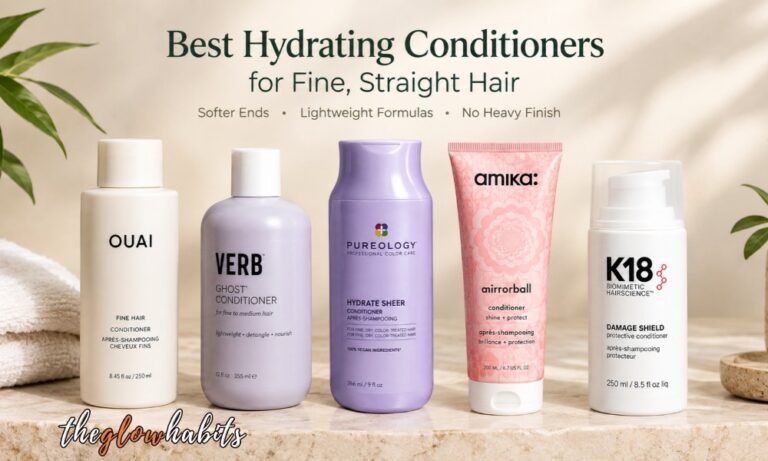
For a straightforward starting point, our overall editorial pick is OUAI Fine Hair Conditioner because its intended hair type directly matches this guide. Verb Ghost Conditioner is another relevant option for fine-to-medium strands, while Pureology Hydrate Sheer specifically targets fine, dry, colour-treated hair. These are suitability-based selections, not winners from a head-to-head performance test.
The goal is simple: comfortable ends, easier detangling and a finish you enjoy wearing. Dermatologists recommend choosing products made for your hair type and applying conditioner to the ends when hair is fine or straight. A richer formula is not automatically the most relevant starting point. The manufacturer details and AAD guidance supporting this comparison are linked below.
At a Glance: Which Conditioner Should You Choose?
All five products below are rinse-out conditioners. The category labels explain why each product belongs in this comparison; they do not imply independently proven superiority.
| Conditioner | Selection category | Manufacturer-stated suitability or purpose | Main consideration |
| OUAI Fine Hair Conditioner | Overall starting point | Lightweight conditioning specifically for fine hair | Choose the Fine formula rather than a different OUAI format |
| Verb Ghost Conditioner | Alternative for easily weighed-down hair | Fine-to-medium hair; lightweight nourishment and detangling | Leave the product on for three to five minutes, then rinse thoroughly. |
| Pureology Hydrate Sheer Conditioner | Targeted option for fine, dry, colour-treated hair | Lightweight, silicone-free conditioning | Check that the bottle says Hydrate Sheer, not simply Hydrate |
| Amika Mirrorball Conditioner | Shine-focused option | Fine-to-medium hair seeking lightweight moisture and shine | Numerical shine claims depend on the matching wash routine |
| K18 Damage Shield Protective Conditioner | Conditional protective-conditioning option | Softening, detangling and conditioning protection | It is separate from K18’s molecular repair mask |
How These Conditioners Were Selected
This is a research-based buying guide, not a first-hand product test. Selection considers the manufacturer’s stated hair-type suitability, product format, intended purpose and application directions. General hair-care advice follows American Academy of Dermatology guidance.
OUAI, Verb, Pureology and Amika make explicit fine-hair or fine-to-medium-hair suitability statements. K18 appears as a conditional option because the brand describes lightweight conditioning and distinguishes protective conditioning from its separate repair-mask routine. No reviewer quotations, unverified discounts or personal testing experiences are used to establish these selections.
The American Academy of Dermatology’s guidance supports the application advice in this article; it does not endorse these brands or products. Numbering helps organise the shortlist rather than represent measured performance scores.
1. Overall Starting Point: OUAI Fine Hair Conditioner
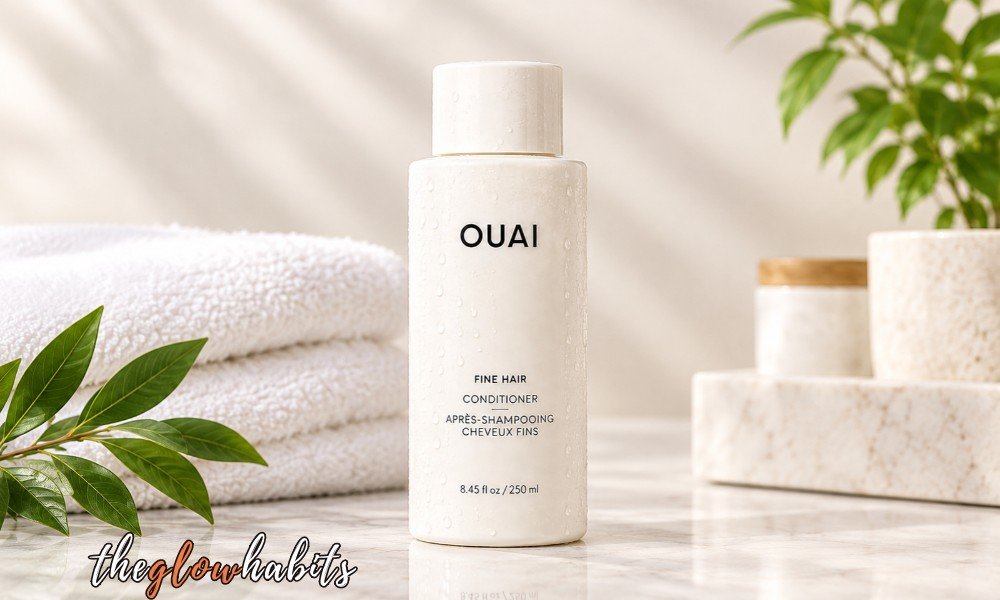
OUAI Fine Hair Conditioner earns the first position because it has a clear purpose: conditioning fine hair. The brand describes a lightweight formula intended to hydrate and leave hair soft and fuller-looking. Its direct fine-hair positioning is the reason for this selection, not evidence that it outperforms every alternative. See the OUAI Fine Hair Conditioner product details.
Choose this as your starting point if you prefer a traditional rinse-out conditioner specifically formulated for fine hair. That makes the recommendation easy to understand without relying on broad promises about repair, dramatic thickness or universal results.
Formula and Fragrance Details
OUAI highlights keratin, biotin and chia seed oil in this formula. The published ingredient list also includes glycerin, panthenol and fragrance. These are verified ingredient-list details, not evidence that the conditioner treats hair loss or produces a particular result for every reader.
The named fragrance is Mercer Street, with floral and citrus notes in the brand’s description. If scent influences your choice, use those details as a shopping check. Do not assume this conditioner smells like another OUAI product you already own.
How to Use It
OUAI recommends squeezing out excess water after shampooing, then applying a quarter-sized amount of conditioner with attention to the mid-lengths and ends before rinsing. For fine or straight hair, the American Academy of Dermatology’s general advice is to concentrate conditioner on the ends.
The product directions do not specify a timed waiting period. Follow your bottle rather than borrowing an application time from another conditioner.
What to Keep in Mind
Keep the product identity straight when shopping. OUAI Fine Hair Conditioner is not the brand’s Medium conditioner or Leave-In Conditioner. Your decision here concerns a rinse-out product specifically labelled for fine strands.
Compared with Verb, OUAI gives a starting amount rather than a three-to-five-minute application time. That is a practical routine difference, not a claim that either product conditions better.
2. Alternative for Easily Weighed-Down Hair: Verb Ghost Conditioner
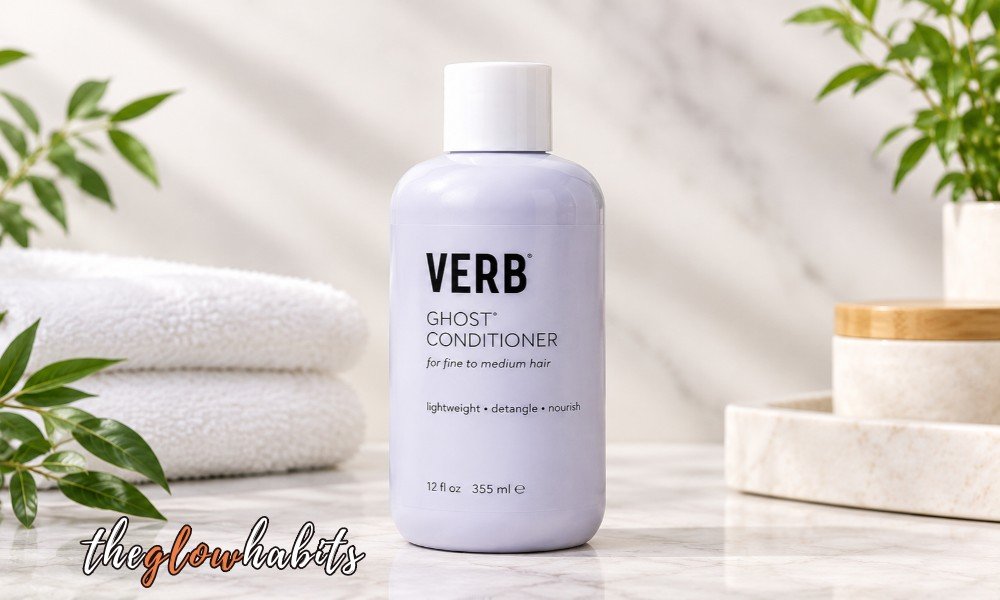
Verb Ghost Conditioner is designed for fine-to-medium hair. The brand also specifically recommends it for gently detangling and nourishing hair that is easily weighed down. That makes it a relevant alternative when you want conditioning without moving straight to an intensive treatment. See the Verb Ghost Conditioner product details.
The useful question is whether its stated purpose fits your routine. Lightweight positioning supports its place in this shortlist, but it should not become a promise of zero residue or guaranteed root lift.
Formula and Fragrance Details
Verb highlights moringa oil, green tea extract and vegan proteins. Its full ingredient list includes hydrolyzed quinoa, soy and rice proteins, alongside fragrance. The brand’s product-page answers also identify the conditioner as silicone-free and suitable for colour-treated hair.
These details provide comparison points without predicting your exact finish. The presence of an oil does not turn this into a separate oil treatment, and a review describing a subtle scent does not make the formula fragrance-free.
How to Use It
Work the product through the mid-lengths and ends, leave it on for three to five minutes, then gently detangle and rinse thoroughly according to Verb’s instructions.
What to Keep in Mind
The application time is worth checking against your routine. A product can have the right hair-type positioning and still be inconvenient if you regularly rush through your shower. Use the published directions as part of the buying decision, not something to discover after opening the bottle.
Verb’s numerical frizz claim uses several products together. If you are only replacing your conditioner, do not treat that system result as proof of what this bottle alone will achieve.
3. Targeted Option for Fine, Dry, Colour-Treated Hair: Pureology Hydrate Sheer Conditioner
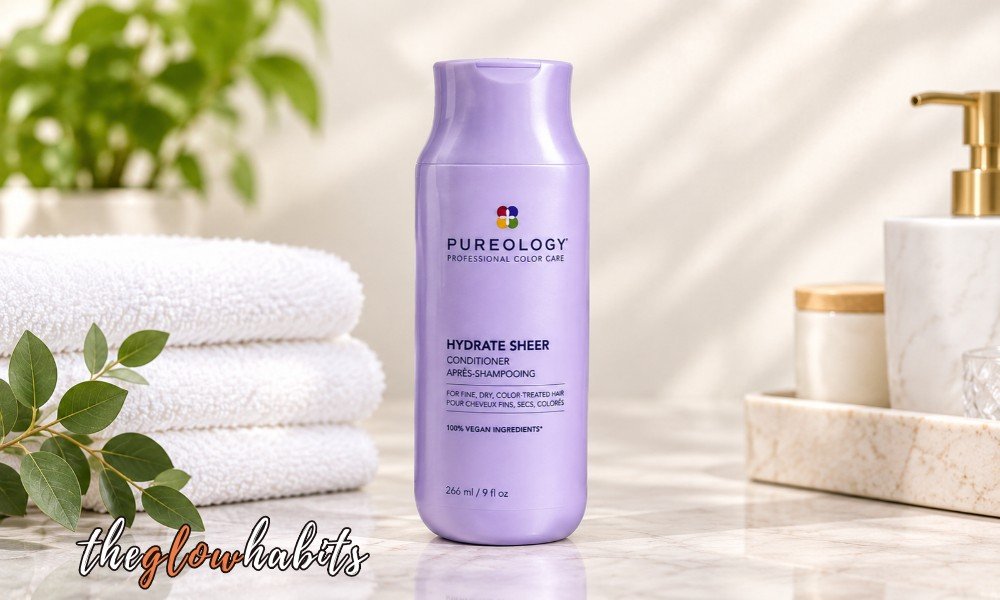
Pureology Hydrate Sheer is a specifically matched option in the Hydrate family for this article. Pureology describes it as a lightweight, silicone-free conditioner that softens and nourishes fine, dry, colour-treated hair. See the Hydrate Sheer Conditioner product details.
Why the Exact Product Name Matters
The original Hydrate and Hydrate Sheer are not identical recommendations. Pureology’s collection guide positions original Hydrate primarily for normal-to-thick hair and Sheer for fine hair needing lighter hydration. The Hydrate collection comparison explains that distinction.
The direct product page also uses broader hair-type categories when comparing conditioners. For this guide, Sheer remains the more explicit fine-hair match. That does not establish that original Hydrate is unsuitable for every fine-haired reader.
Formula and Fragrance Details
Hydrate Sheer’s published ingredient list includes glycerin, soybean oil, hydrolyzed wheat-derived ingredients, fragrance, mint oil and menthol. The product page describes rose, moss and mint fragrance notes.
Those details are useful if you already know which scents you prefer. Keep product-specific information separate from general collection descriptions; a range can contain several formulas and fragrance descriptions.
How to Choose and Use the Right Bottle
Look for the full name, Hydrate Sheer Conditioner, and follow the directions on the product you purchase. Do not rely on a retailer heading that shortens both formulas to “Hydrate.”
The retrieved product page did not provide a clear application time. This guide therefore does not invent one or reuse original Hydrate instructions. Your selected bottle is the appropriate source for that detail.
What to Keep in Mind
Silicone-free is a verified formula characteristic, not a comparative result from this guide. Choose Hydrate Sheer because its stated suitability fits your needs. For fine, dry, colour-treated hair, that targeted positioning is the strongest reason to put it on your shortlist.
4. Shine-Focused Option: Amika Mirrorball High Shine + Protect Antioxidant Conditioner
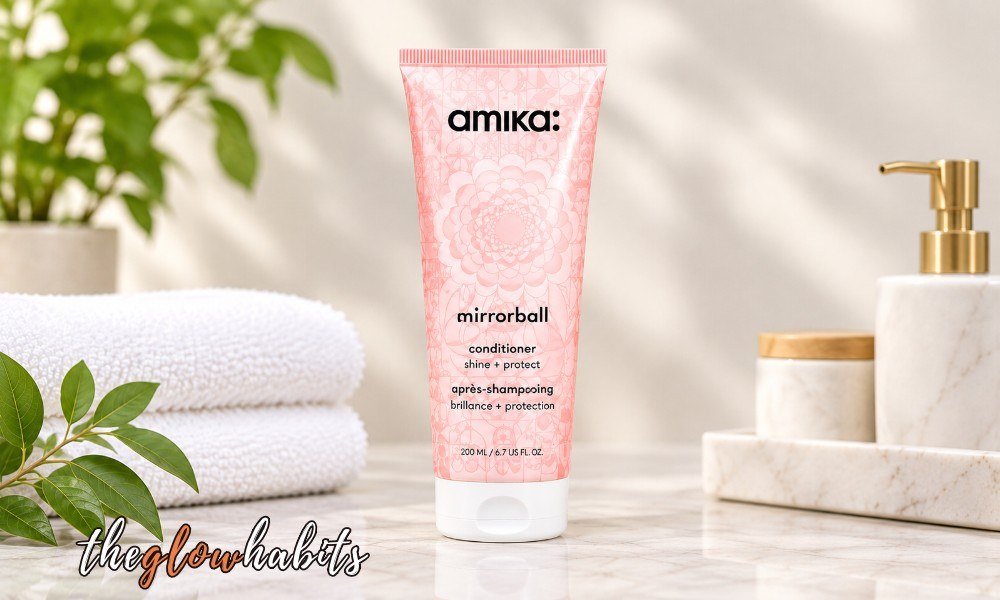
Amika positions Mirrorball for fine-to-medium hair combating dullness. Its stated purpose makes it relevant when shine and lightweight moisture are priorities, rather than dryness alone. See the Amika Mirrorball Conditioner product details.
Formula and Fragrance Details
The ingredient list includes dimethicone, silicone quaternium-8, glycerin and fragrance. Amika also highlights botanical ingredients including grape leaf, raspberry, magnolia and sea buckthorn.
These ingredients distinguish the formula from silicone-free options in the shortlist. Their presence alone does not establish how heavy the finished product will feel on your hair. Use the intended hair type and your own experience as separate comparison points.
How to Use It
Amika recommends squeezing out excess water, applying the conditioner from the mid-lengths to the ends, leaving it on for two to three minutes and rinsing thoroughly.
This is a shorter stated waiting period than Verb’s three-to-five-minute direction. That difference may matter to your routine, but it is not a measure of comparative conditioning performance.
What to Keep in Mind
Amika publishes a 45% shine-improvement claim, with its main qualification specifying use with Mirrorball shampoo. A repeated claim block on the page uses different pairing wording. This guide therefore treats the figure conservatively as a manufacturer-reported routine claim, not a verified conditioner-only result.
Choose it for its stated fine-to-medium-hair suitability and shine focus, not because a percentage guarantees the finish you will see. A shinier appearance is not evidence here of permanent structural repair.
5. Conditional Option for Protective Conditioning: K18 Damage Shield Protective Conditioner
K18 Damage Shield Protective Conditioner is designed to soften, detangle and help protect hair from daily damage. The brand describes lightweight conditioning without film-forming silicones or waxes. See the K18 Damage Shield Conditioner product details.
It belongs here as a conditional choice for readers who want protective conditioning alongside softness—not as the default answer for every case of dry ends. Unlike the first four selections, its product description is not primarily a fine-hair-specific recommendation.
Formula and Fragrance Details
The listed ingredients include K18’s signature peptide, ceramide NP, sweet almond oil, jojoba oil, and fragrance. The brand presents the formula as concentrated and recommends starting with less than a traditional conditioner.
That instruction is more useful than assuming a generous application is necessary. Begin with the manufacturer’s small-dose approach and assess the finish before increasing the amount next time.
How to Use It
K18 recommends applying a small amount from the mid-lengths to the ends, building only as needed, then rinsing thoroughly. Its conditioner directions do not specify a timed waiting period.
What to Keep in Mind
Damage Shield Conditioner and K18’s Leave-In Molecular Repair Hair Mask are separate products with different instructions. K18’s own product guidance distinguishes conditioning protection from molecular repair treatment. If you already use the mask, follow its specific sequencing guidance rather than treating the two products as interchangeable.
K18 also states that this conditioner has no SPF. Its hair-protection positioning should not be mistaken for sunscreen protection for your scalp.
How to Select the Best Hydrating Conditioner for Fine, Straight Hair
Start With the Hair Type on the Label
“Hydrating” describes a desired benefit, but it does not tell you whether a product is designed for fine strands. The American Academy of Dermatology recommends choosing products labelled for your hair type. That is a useful first filter before fragrance, packaging or a long list of featured ingredients. See the AAD healthy-hair guidance.
Within this shortlist, OUAI explicitly targets fine hair; Verb and Amika target fine-to-medium hair; Pureology Sheer specifically targets fine, dry, colour-treated hair. K18 is the conditional protective-conditioning comparison. Those distinctions are supported by the product sources above.
Match the Product Format to the Job
A rinse-out conditioner belongs in the washing stage. A leave-in remains on the hair and provides an additional conditioning step when needed. Dermatologists explain that these formats have different chemistry; a rinse-out conditioner should not be repurposed as a leave-in. See the AAD leave-in conditioner guidance.
If your current rinse-out routine keeps your hair soft and manageable, there’s no need to add another step just because it works for someone else. If tangles, dryness or frizz remain troublesome, a lightweight leave-in may be useful. Fine, straight hair needs a lighter leave-in to avoid a limp, greasy finish.
For that separate step, explore our guide to leave-in conditioners for fine, straight hair.
Compare Exact Products, Not Just Brand Names
A familiar brand can offer formulas for very different needs. Pureology’s original Hydrate and Hydrate Sheer are a clear example. Likewise, a rinse-out conditioner and a leave-in from the same brand should not be treated as identical purchases.
Before buying, record:
- The full product name.
- Whether it rinses out or stays in.
- The intended hair type.
- The application instructions.
- The bottle size and final checkout price.
This checklist helps you compare like with like. A lower headline price is not enough to identify the better purchase if the bottle sizes differ.
Check Fragrance and Formula Preferences
All five published ingredient lists include fragrance. Pureology specifically describes Hydrate Sheer as silicone-free, and Verb identifies Ghost as silicone-free in its product-page answers. Amika lists dimethicone; OUAI lists a dimethicone-derived ingredient. K18 uses the narrower description “without film-forming silicones or waxes.”
Do not collapse those different statements into a blanket ranking. If a particular ingredient matters to you, check the exact current bottle. Verb and Amika also advise checking packaging because ingredient lists may change.
Compare Value Without Inventing a Budget Winner
Decide your budget before choosing a larger or more expensive bottle. Compare the same measurement unit and include delivery charges. Do not compare a travel bottle’s price with a full-size bottle as though the quantities match.
This guide does not name a budget winner from unverified retailer offers. A practical approach is to compare your actual shortlisted checkout options. Choose the size you are comfortable buying rather than assuming a larger bottle is automatically the right first purchase.
How to Condition Fine, Straight Hair with a Simple, Effective Routine
1. Shampoo According to Your Scalp’s Needs
Wash your hair as often as needed, depending on how quickly it becomes oily or dirty. The AAD notes that people with straight hair and an oily scalp may need daily shampooing; there is no requirement to copy another person’s wash schedule. Concentrate shampoo on the scalp instead of working it aggressively through the full length of your hair.
2. Apply Conditioner Where It Is Needed
For fine, straight hair, apply conditioner mainly to the ends to add moisture without weighing down the roots. Follow the selected product’s directions for the amount and any additional placement guidance. This keeps the routine focused on conditioning the lengths rather than automatically coating the scalp.
3. Follow the Correct Application Time
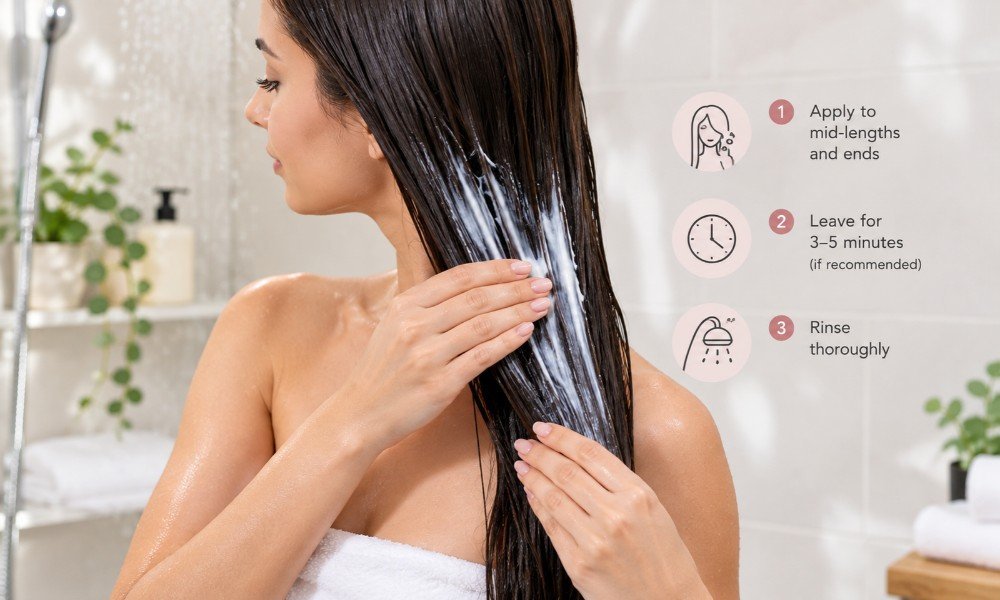
Use the timing for the actual product. The manufacturer sources in the profiles above support this reference table.
| Conditioner | Application guidance |
| OUAI Fine Hair Conditioner | Squeeze out excess water; apply a quarter-sized amount to midshaft and ends; rinse |
| Verb Ghost Conditioner | Leave on for three to five minutes, then detangle and rinse thoroughly |
| Pureology Hydrate Sheer Conditioner | Follow the selected bottle; a clear application time was not provided on the retrieved page |
| Amika Mirrorball Conditioner | Leave on for two to three minutes, then rinse thoroughly |
| K18 Damage Shield Conditioner | Start with a small amount, build as needed, and rinse thoroughly |
The table is a wash-day reference, not a reason to extend treatment time. Do not assume that instructions for one formula apply to another.
4. Handle Wet Hair Gently
Avoid pulling through tangles. The AAD recommends a wide-tooth comb and advises letting straight hair dry a little before combing, starting at the ends and working upward. Gently absorb water with a towel or T-shirt rather than rubbing aggressively.
5. Add Leave-In Only When It Solves a Remaining Problem
Apply a small amount of lightweight leave-in to damp lengths where needed. Keep it off the scalp and use the smallest amount that works; fine hair needs less than thick hair. The AAD leave-in resource above supports this approach.
6. Treat Heat Protection as a Separate Check
Not every conditioner provides heat protection. Look for that claim on the packaging of the product you use before styling. Dermatologists also recommend limiting excessive heat and using low or medium settings. Conditioning and heat protection should be checked as separate needs.
What to Do When the Result Still Feels Wrong
Your Roots Look Flat, but the Ends Feel Comfortable
Check placement before abandoning the conditioner. The AAD’s general guidance recommends applying conditioner to the ends of fine or straight hair.
As a practical comparison, keep the rest of your routine unchanged on the next wash and concentrate the conditioner on the ends. Note whether you prefer the finish. This is a personal observation method, not a guarantee that placement is the only cause.
Your Ends Still Tangle After Washing
If a rinse-out conditioner doesn’t provide enough moisture, a lightweight leave-in treatment may offer extra hydration without weighing down your hair. Apply it to damp hair, focus on the troublesome lengths and avoid adding a generous layer everywhere. Dermatologists recommend using the smallest amount that achieves the intended result.
You Need to Wash Your Hair More Frequently
Let scalp cleanliness guide the decision. Straight hair with an oily scalp may need frequent washing, including daily shampooing for some people. A conditioner should not be judged by whether it lets you match someone else’s three-day wash schedule.
You Are Worried About Thinning or Persistent Breakage
Keep this concern separate from choosing a conditioner. A cosmetic buying guide cannot identify the cause or replace appropriate care. The AAD’s leave-in guidance recommends dermatological help when breakage or manageability problems persist despite rinse-out and leave-in care.
A Practical Way to Compare Conditioners Without Buying a Shelf Full
Start by identifying the exact problem: uncomfortable ends, difficult detangling, a heavy finish or dull-looking lengths. Use that description to choose one relevant formula from the shortlist. The AAD’s advice to select products for your hair type provides the starting point; the shortlist then separates general fine-hair conditioning, colour-treated hair and shine-focused care.
Consider an illustrative example: your scalp needs frequent washing, but your ends feel dry. Those needs do not have to compete. Dermatologists recommend washing according to oiliness and applying conditioner to the ends when hair is fine or straight. You can address scalp cleanliness and end conditioning in the same routine without treating the entire head identically.
Keep a brief wash-day note with four details: the product used, where you applied it, whether you added a leave-in and how the hair felt after drying. Judge the result against your original concern rather than expecting every product to improve softness, shine, volume and detangling equally. This note is a practical observation tool, not a controlled test.
For example, if the ends feel comfortable but tangles remain, assess whether a small amount of lightweight leave-in helps before replacing the rinse-out conditioner. If you change both products together, your own notes will be less useful for identifying which change you preferred. The AAD recommends using a leave-in conditioner when a rinse-out conditioner alone doesn’t provide enough manageability.
How to Read Conditioner Claims Before Buying
A numerical claim deserves a look at the small print. Verb’s published 79% frizz-reduction claim uses Ghost shampoo, conditioner, mask and primer together. Amika’s main 45% shine claim specifies use with Mirrorball shampoo. These are manufacturer-reported routine results, not conditioner-only outcomes established by this guide.
Protection wording also needs a clear boundary. K18 explicitly says Damage Shield Conditioner has no SPF. Its hair-conditioning protection positioning should not be mistaken for sunscreen protection for the scalp. A familiar word such as “protect” does not make every protective product interchangeable.
For a practical shopping comparison, write down the exact product and routine behind the claim. Then compare it with the purchase you intend to make. If you are replacing only your conditioner, do not use a multi-product percentage as your personal expected result.
Frequently Asked Questions
Should I Put Conditioner on the Roots of Fine, Straight Hair?
Generally, focus rinse-out conditioner on the ends. The American Academy of Dermatology recommends this placement for fine or straight hair. Check the specific product’s directions as well.
Should You Condition Your Hair Every Time You Shampoo?
Yes. The AAD recommends conditioner after washing your hair to moisturise, detangle and improve manageability.For fine, straight hair, focus conditioner on the ends instead of routinely applying it to the scalp.
Do You Need Both Rinse-Out and Leave-In Conditioner?
Not necessarily. A leave-in conditioner may be useful if your regular conditioner doesn’t adequately address dryness, tangling, or frizz. If you have fine, straight hair, opt for a lightweight formula and apply a small amount to damp mid-lengths and ends, avoiding the scalp.
Is Pureology Hydrate or Hydrate Sheer the Better Match for Fine Hair?
Hydrate Sheer is the more specifically targeted formula. Pureology’s collection guide positions it for fine hair needing lighter hydration, while original Hydrate is primarily presented for normal-to-thick hair. This is intended suitability, not a guarantee that every reader will prefer Sheer.
Can You Use Rinse-Out Conditioner as a Leave-In Treatment?
No. Dermatologists advise against using rinse-out conditioner as a leave-in, including diluting it with water in a spray bottle. The formats have different chemistry and intended uses. If you need an extra conditioning step, opt for a product specifically formulated and labelled as a leave-in conditioner.
Conclusion
Finding the right conditioner starts with your main concern dry ends, tangles or a heavy finish. Choose one option from this shortlist, follow its directions and judge the result after drying. Keep your hair care routine simple, introducing additional products only when your hair needs them.