
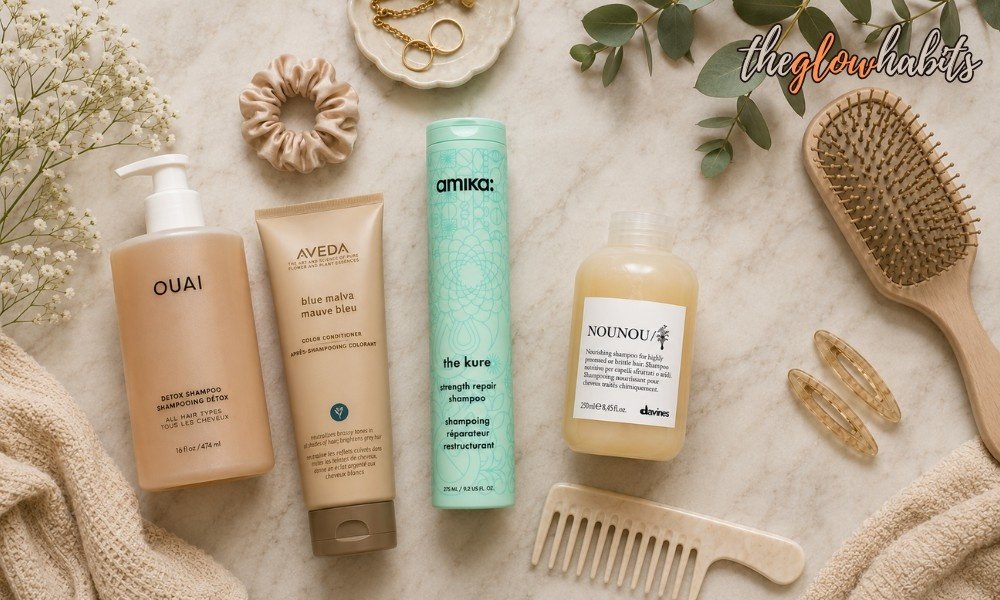
Most people grab whatever’s on sale without a second thought, but for fine, damaged hair, that habit can make things worse. After years of testing on my own over-processed, colour-treated strands, choosing the right shampoo has become the foundation of my routine.
The best formulas hydrate the cortex of each strand while keeping the scalp clean and balanced. A heavy product leaves a greasy film on fine hair; a too-harsh wash strips moisture and triggers scalp irritation.
That’s where a rotating arsenal of clarifying and moisturising shampoos helps, especially for highlighted or chemically treated hair. Use a clarifying wash after workouts to remove buildup, and a daily moisturising wash with a weekly clarifying session to protect damaged ends over time.
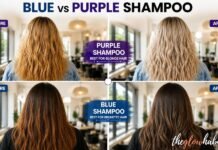
Toning shampoos have also been a personal game-changer for keeping highlighted or lightened hair looking sharp between appointments. I swap mine in every few washes rather than daily – that keeps the tone balanced without overdoing it. If you’re unsure which one suits your hair best, this guide on blue vs purple shampoo for blonde hair breaks down the difference really well.
Best Shampoos for Fine, Damaged Hair in 2026
Davines NouNou Shampoo
This shampoo earns a permanent spot in your routine once you’ve tried enough others to know the difference. It’s deeply hydrating without ever weighing hair down rare for fine hair that needs moisture but can’t handle heaviness.
It’s also clean beauty–certified and gentle enough for regular use without stressing the scalp. The formula rinses out easily and leaves hair feeling genuinely fresh. I keep a bottle for travel, too; even harsh, extra-drying hotel water doesn’t strip the moisture out when this is in the mix.
Amika The Kure Bond Repair & Strength Shampoo
For serious damage, breakage, frizz and colour stress, this is the first thing I reach for. Its bond-repair technology works deeper than a typical salon treatment, without drying out the scalp.
It’s also a solid clean-beauty option I rotate in after heavy styling weeks. A jumbo size is available online if you use it consistently, and for real damage, it’s worth the investment. I often pair it with Amika’s Melu for a fully hydrating routine.
Ouai Detox Shampoo
A detox shampoo sounds great until it leaves fine hair feeling like dried-out straw, which is exactly what most cheaper clarifying formulas do. Not every option on the market is built with fine, damaged hair in mind, so the formula matters more than the label.
Ouai gets the balance right: it clears buildup effectively while staying gentle enough to avoid serious dryness, something very few brands manage consistently. I reach for it about twice a month as a reset, pairing it with a gentle daily shampoo in between so already damaged hair never gets overloaded. For fine hair close to breakage, it’s the best clarifying option in its category right now.
UNITE Hair BLONDA Purple Shampoo
If brassy, yellow tones have crept in and a toning conditioner alone isn’t cutting it, this is the dedicated purple shampoo I reach for. It lifts unwanted warmth fast without leaving hair feeling stripped, unlike harsher purple formulas.
For lighter maintenance between washes, Aveda’s Blue Malva Conditioner is worth keeping on hand; it works as a subtle blue toner and adds moisture, which most toning conditioners skip. Used together, BLONDA handles the heavy lifting, and Blue Malva maintains day-to-day tone for a full toning system.
Amika Big Hit Volumising Shampoo
Fine, limp hair doesn’t just need moisture it needs volume that holds, not the midday collapse most volumising shampoos cause. This one’s different: a clean-beauty formula that lifts from the root while staying light enough to keep bounce all day.
Finding lift without dryness is genuinely hard, and this is one of the few that manages both. The scent is an unexpected win, too fresh without being overpowering. Whenever fine hair starts feeling flat again, this is my go-to.
Best Budget-Friendly Shampoos for Fine, Damaged Hair
Pantene Pro-V Daily Moisture Renewal Shampoo
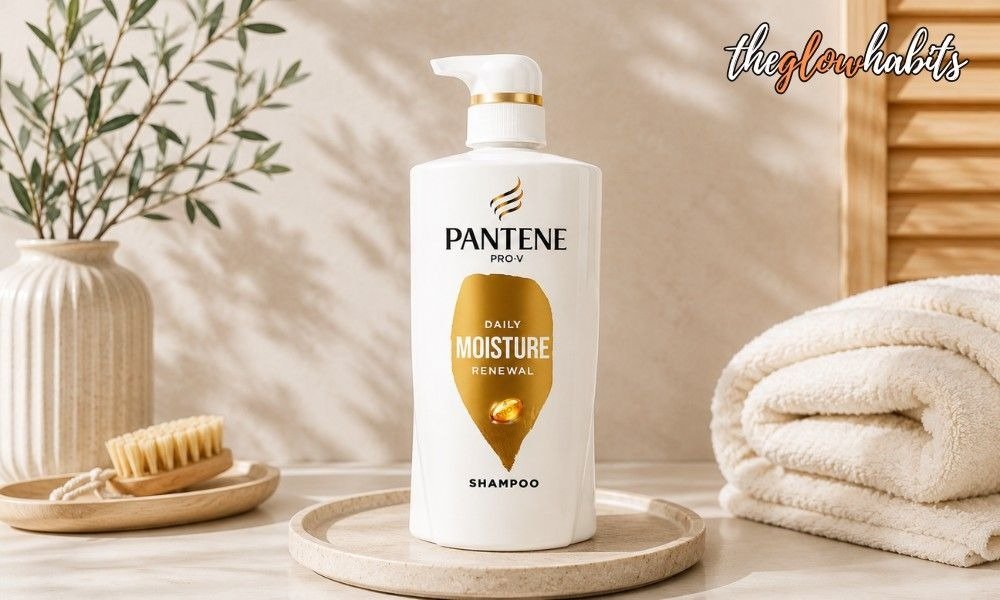
A greasy film after washing usually means a shampoo isn’t doing its job; most budget formulas rely on cheap sulphates that strip moisture instead of supporting renewal.
At $12, this breaks that pattern. It gradually restores moisture with each wash instead of stripping it away, and even after months of use, it has never left a heavy film on fragile hair. The renewal effect is slow but real, especially paired with a weekly hydrating mask.
For colour-treated hair, using this daily and stepping back from harsher washes makes a noticeable difference proof that a non-damaging formula doesn’t have to cost much.
Herbal Essences Hello Hydration Shampoo
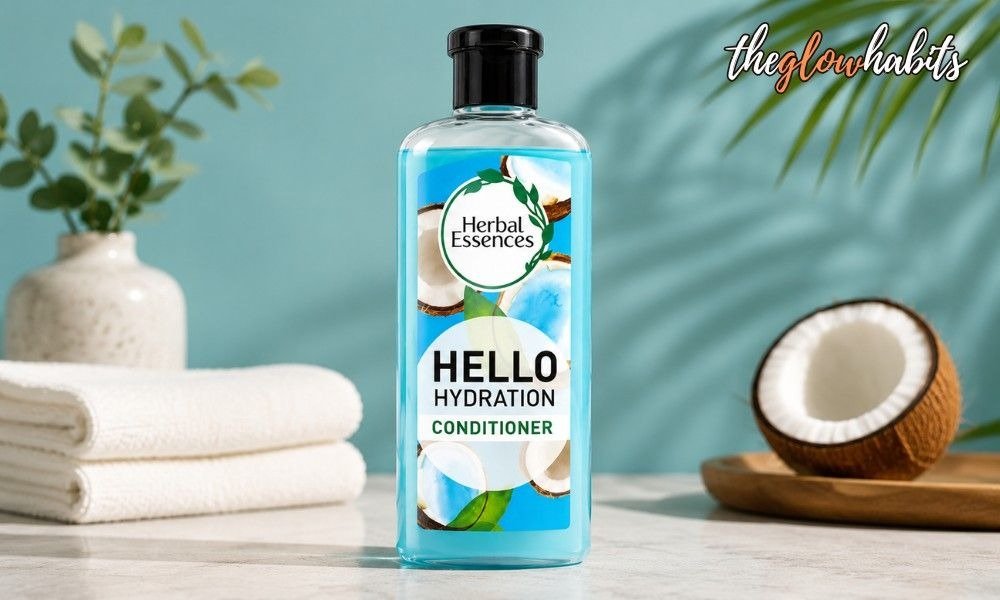
The idea that drugstore products can’t compete with premium ones has been disproven plenty of times, and this shampoo is one of the clearest examples. It’s held its ground for years as an affordable, reliable pick.
It’s easy to grab at any drugstore, and the hydration doesn’t feel watered down. I’ve rotated it alongside pricier picks like Amika, and the performance gap was smaller than expected.
Quick Comparison
| Product | Best For | Price | Clean Beauty |
|---|---|---|---|
| Davines NouNou | Daily hydration, travel | ~$38 | Yes |
| Amika The Kure | Deep repair, breakage | ~$34 | Yes |
| Ouai Detox | Bi-monthly clarifying reset | ~$34 | Yes |
| UNITE BLONDA | Brassy/yellow toning | ~$80 | No |
| Amika Big Hit | Volume without weight | ~$29 | Yes |
| Pantene Pro-V | Budget daily moisture | ~$25 | No |
| Herbal Essences Hello Hydration | Budget everyday hydration | ~$7 | No |
Prices are approximate and can vary by retailer; worth a quick check before you buy.
How to Choose the Right Shampoo for Fine Hair
Most people focus on the brand name, but the ingredients list tells the real story.
- Silicones like dimethicone coat the strands and build up over time, slowly weighing down fine hair and quietly killing volume.
- Sodium lauryl sulphate (SLS) is a common surfactant in budget formulas; it lathers well but dries out the scalp, so it’s worth avoiding if your scalp is sensitive.
- Botanicals like ginseng and ginger support the scalp and encourage lift at the root; several stylists have pointed to these plant-based ingredients as a driver of improved texture over consistent use.
- Biotin and vitamin B5 build strength inside fine strands without adding weight, genuinely improving texture with regular use.
- Hyaluronic acid hydrates strands from the inside, keeping fine hair from going stiff or flat as it air-dries, with body but without the crunch.
- Oils are a double-edged sword: lightweight oils nourish dry ends and scalp without residue, while heavier oils collapse volume fast.
- Fragrance is easy to overlook but matters for sensitive scalps; a heavily perfumed formula can trigger irritation, so unscented is often the safer choice.
- Surfactants control lather and cleansing; a balanced formula lifts dirt and buildup without being overly drying, which is what separates a great shampoo from one that just smells good.
How We Tested the Best Shampoos for Fine Hair
Results only show up with consistent, structured use, not a single washday impression. Eight editors with a mix of hair types tested each product for six weeks, giving enough wash days to fairly judge how each formula held up over time.
Each shampoo was scored on lather quality, how thoroughly it cleansed, and how clean the strands felt afterwards. Testers with fine and thin hair specifically evaluated hydration, volume, thickness, and visible improvement.
The most consistent finding: a lot of shampoos promise fullness but quietly leave residue that flattens fine hair by the second wash day, a pattern that only became obvious over the full six weeks.
FAQs
The best shampoos for damaged hair contain reparative ingredients like keratin, biotin, argan oil, or bond-building technology (e.g., bis-aminopropyl diglycol dimaleate) that help rebuild the hair’s internal structure, reduce breakage, and restore shine.
Common causes include heat styling, chemical treatments (colouring, bleaching, and perming), UV exposure, over-washing, harsh brushing, and environmental stressors like chlorine or hard water.
Yes. Pairing a moisturising, sulphate-free shampoo with a nourishing conditioner (or deep-conditioning mask) gives better results than shampoo alone, since conditioner helps seal in moisture and smooth the cuticle after cleansing.
Avoid sulphates (SLS/SLES), high alcohol content, and heavy silicones, as these can strip natural oils or cause buildup that weighs down already fragile hair.
Lightweight, volumising shampoos without heavy oils or silicones work best for fine hair. Look for formulas labelled “volumising” or “weightless” that cleanse without flattening strands.
Yes, fine hair is often more prone to damage because it has less structural mass. A shampoo that balances lightweight volume with light hydration (avoiding heavy conditioning agents) works best for dry, fine hair.
2–3 times a week is generally recommended. Over-washing can strip natural oils and worsen dryness/damage, while fine hair can get weighed down or look greasy if washed too infrequently.
Generally yes, sulphate-free formulas cleanse more gently, which helps prevent further stripping of moisture and protein from already-weakened hair strands.
It’s possible if the formula is lightweight yet moisturising (e.g., avoiding heavy butters/oils but still including proteins or panthenol), but for best results, choose a product specifically formulated for your dominant hair concern.
Conclusion
The right shampoo for fine, damaged hair balances hydration and volume without weighing strands down. Whether you choose a sulphate-free everyday formula, a budget-friendly pick, or a deep bond-repair treatment, consistency is key. Pair it with a good conditioner and occasional clarifying wash to keep fine, damaged hair looking healthy and full.




[…] using needs to hold up over several days, not just look good fresh out of the shower. If your go-to shampoo for fine, damaged hair isn’t pulling its weight either, a heat protectant that’s too heavy can make hair look […]